
Wisconsin Home Inspection Guide for Buyers
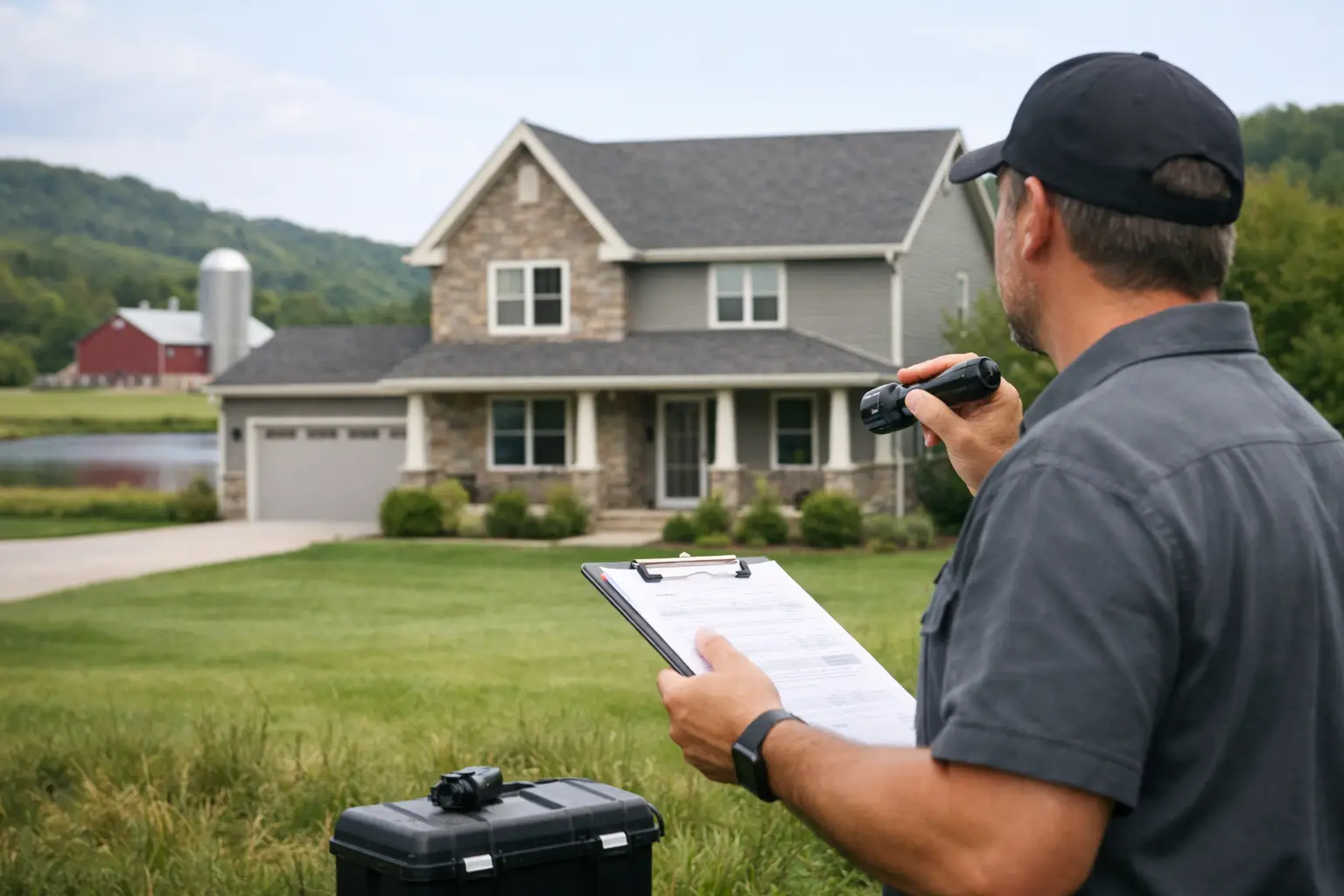
A showing can feel great right up until the inspection is on the calendar. That is usually the moment a home shifts from exciting to real. This Wisconsin home inspection guide is here to make that step feel clearer, especially for buyers and sellers in Southeast Wisconsin who want fewer surprises and better decisions.
An inspection is not a pass-fail test. It is a professional snapshot of a home’s visible condition on a specific day. For buyers, that means a chance to understand what they are purchasing beyond finishes and staging. For sellers, it is often the moment hidden issues become part of the negotiation.
What a Wisconsin home inspection guide should help you understand
The best way to approach an inspection is with the right expectations. A licensed home inspector is typically evaluating the home’s major systems and accessible components, including the roof, structure, foundation, electrical, plumbing, heating, cooling, insulation, windows, and visible interior and exterior conditions. They are looking for defects, deferred maintenance, safety concerns, and signs that a larger issue may be developing.
They are not opening walls, predicting the exact remaining life of every component, or guaranteeing future performance. If a furnace works on inspection day, that does not mean it will work flawlessly for the next five years. If a basement is dry after a week of mild weather, that does not always tell the whole story during spring thaw or heavy rain.
That distinction matters. Buyers sometimes expect an inspection to remove all risk. Sellers sometimes assume a clean-looking home will produce a clean report. In reality, most homes, including well-maintained ones, come back with findings. The question is rarely whether the report will mention issues. The real question is which issues are cosmetic, which are manageable, and which deserve negotiation or further review.
What happens during the inspection
In most transactions, the buyer schedules the inspection shortly after the offer is accepted and within the contingency timeline written into the contract. The appointment often takes two to four hours, depending on the home’s size, age, and complexity.
Buyers should attend if possible. Seeing concerns in person is more useful than reading about them later in a report. An inspector can point out a worn flashing detail, explain why grading matters around the foundation, or show where attic ventilation is underperforming. That context helps buyers separate normal homeownership responsibilities from genuinely expensive concerns.
Sellers usually leave the home during the inspection. That gives the inspector room to work and allows the buyer to ask candid questions. It also keeps the process from turning into an informal negotiation on site, which rarely helps either side.
Afterward, the buyer receives a written report, often with photos and notes. Some reports look alarming simply because they are thorough. A long report does not always mean a bad house. It often means the inspector did a careful job documenting every visible issue, from loose handrails to older mechanical systems.
Common issues in Southeast Wisconsin homes
A practical Wisconsin home inspection guide should reflect local housing stock and climate. In Washington, Waukesha, and Ozaukee Counties, inspections often reveal a mix of seasonal wear, aging systems, and moisture-related concerns.
Basements are a frequent focus. In Wisconsin, freeze-thaw cycles, grading problems, and older foundation materials can all contribute to water intrusion or movement. Not every crack is structural, but not every crack is harmless either. Horizontal cracking, stair-step cracking in masonry, or active seepage usually deserve a closer look.
Roofing issues are also common, especially after years of snow load, ice damming, and storm exposure. Inspectors may note aging shingles, flashing defects, soft spots, or signs of previous patchwork. A roof does not have to be actively leaking to become a negotiation point. Sometimes the concern is simply that replacement is getting closer and the buyer needs to budget accordingly.
Mechanical systems matter more in Wisconsin because seasonal extremes put real pressure on furnaces, air conditioning, insulation, and ventilation. An older furnace may still function well, but if it is near the end of its expected life, that becomes part of the buyer’s risk assessment. The same goes for water heaters, air conditioners, and electrical panels.
Older homes can bring a different set of findings. Outdated wiring, limited insulation, original windows, settling, and deferred maintenance are not unusual. That does not make the home a poor purchase. It means the buyer should understand whether the price, condition, and future investment line up.
How buyers should read the report
The fastest way to get overwhelmed is to treat every comment as equally serious. It helps to sort findings into three buckets: safety issues, major defects, and routine maintenance.
Safety issues might include exposed wiring, unstable stairs, active leaks near electrical components, or a lack of proper venting that could affect indoor air quality. Major defects could include foundation movement, a failing roof, significant plumbing problems, or HVAC systems that are not operating as intended. Routine maintenance covers the long list of smaller items that come with homeownership, like caulking, GFCI updates, loose fixtures, or minor exterior repairs.
This is where perspective matters. A first-time buyer may open a report and think the house is falling apart because it mentions 40 items. In many cases, only a handful of those items materially affect the purchase decision. The rest are useful notes for future maintenance.
If the report identifies a specialized concern, the next step may be a second opinion from a licensed contractor, structural engineer, electrician, or plumber. That extra step can feel inconvenient, but it often gives both sides a more accurate basis for negotiation.
How sellers can prepare before an inspection
Sellers do not need a perfect house. They do need a house that presents as cared for and accessible. Replace burned-out bulbs, change furnace filters, make sure smoke and carbon monoxide detectors are working, and clear access to the attic, electrical panel, furnace, and water heater. If a sump pump is hidden behind stored items, the inspector still has to see it.
Small repairs can also help reduce friction. Tightening loose railings, addressing active drips, reattaching downspouts, and fixing obvious exterior grading problems can prevent minor issues from creating unnecessary concern. Buyers often react not just to the issue itself, but to what it suggests about overall upkeep.
Documentation helps too. If the roof was replaced, the furnace was serviced, or basement waterproofing was completed, having records available can support confidence. It will not erase visible defects, but it can answer questions quickly and reduce assumptions.
Negotiations after the inspection
This is the part that makes many deals feel fragile. A buyer receives the report, then decides whether to request repairs, ask for a credit, renegotiate price, or accept the home as-is. The right response depends on the severity of the findings, the market, and the condition already reflected in the purchase price.
In a competitive market, buyers may have less room to push on smaller items. In a slower market, sellers may be more willing to make concessions to keep the transaction together. There is no universal rule that every defect should lead to a credit, and there is no rule that sellers must fix everything an inspector mentions.
Usually, the strongest inspection requests are focused and reasonable. Asking for a seller to address significant safety issues or major functional defects is different from handing over a long repair list full of cosmetic concerns. Deals tend to move forward more smoothly when both sides stay centered on material issues.
For sellers, the instinct to reject every request can backfire. If this buyer walks away, the next buyer may raise the same concerns. For buyers, asking for too much can weaken credibility. A measured approach usually gets better results than a reaction driven by anxiety.
A Wisconsin home inspection guide for realistic decisions
A home inspection should sharpen your judgment, not replace it. Some homes with imperfect reports are still excellent purchases because the problems are manageable, expected for the age, and reflected in the price. On the other hand, a beautifully staged home can turn out to have costly issues that make the numbers no longer work.
That is why context matters so much. The age of the home, the neighborhood, the listing strategy, and the local market all shape how inspection findings should be interpreted. In Southeast Wisconsin, where housing stock ranges from older village homes to newer suburban builds, there is no one-size-fits-all reading of an inspection report.
At Homes by Stallings, we believe clients make better decisions when they understand what matters, what can wait, and what changes the deal. A good inspection is not there to create fear. It is there to give you a clearer view of the home you are buying or selling.
If you approach the inspection with realistic expectations and a steady process, it becomes less about uncovering perfection and more about protecting your next move. That is usually the difference between feeling rattled and feeling ready.
Recent Posts










GET MORE INFORMATION