
Relocating to Southeast Wisconsin? Start Here

A move to Southeast Wisconsin can change the shape of everyday life quickly. One week you may be comparing homes online from another state; the next, you are weighing a walkable downtown against a larger yard, a 25-minute commute against a country road, and municipal water against a private well. Relocating to southeast Wisconsin is not simply about choosing a house. It is about choosing the version of the region that fits the way you want to live.
For buyers considering Waukesha, Washington, and Ozaukee Counties, the opportunity is real: strong communities, distinct housing options, access to Milwaukee, and a lifestyle that can feel more spacious without giving up convenience. The best choice depends on your priorities, budget, daily routine, and comfort with the trade-offs that come with each location.
Relocating to Southeast Wisconsin Starts With Location
Southeast Wisconsin is often discussed as one market, but it is a collection of very different communities. A buyer looking for a newer subdivision, for example, may have a very different search than someone drawn to a historic home near a village center or a property with acreage.
Waukesha County offers a broad range of settings, from established suburbs and active downtowns to more rural areas farther west. Communities such as Brookfield, Pewaukee, Waukesha, New Berlin, Menomonee Falls, and Oconomowoc can appeal to buyers who want access to major employers, shopping, restaurants, recreation, and regional highways. Home styles and price points can shift dramatically from one municipality to the next, and even from one neighborhood to the next.
Washington County often gives buyers more room to spread out while remaining connected to the Milwaukee metro area. Germantown, Hartford, Jackson, Slinger, West Bend, and the surrounding towns provide choices ranging from established neighborhoods to larger lots and rural properties. For some households, this is the right balance of space, value, and access. For others, the longer trip to work, school activities, or city amenities may be a meaningful consideration.
Ozaukee County has its own appeal, particularly for buyers who value Lake Michigan access, established communities, and a quieter North Shore or lakeside feel. Mequon, Cedarburg, Grafton, Port Washington, Thiensville, and Saukville each offer a distinct character. A restored historic home near Cedarburg’s downtown is a very different proposition than a newer home in Mequon or a waterfront-adjacent property in Port Washington.
The point is not to find the “best” county. It is to identify where your daily life will work best.
Look Beyond the Mileage on a Map
Commute time is one of the most underestimated parts of a relocation decision. A home may appear close to your office, family, airport, or favorite weekend destination, but the route matters. Major corridors such as I-41, I-43, I-94, Highway 45, and Highway 164 create useful connections across the region, yet traffic patterns vary by time of day and season.
Before committing to an area, test the routes that will matter most. Consider the drive to work, school, daycare, medical appointments, grocery stores, and the places you expect to visit regularly. If you are moving from a dense urban area, a 20- or 30-minute drive may feel routine. If you prefer errands within a few minutes of home, a rural or outer-suburban setting may require an adjustment.
Weather also belongs in the commute conversation. Wisconsin winters are manageable with planning, but snow and ice can turn a simple drive into a longer one. A steep driveway, a private road, limited street parking, or a long rural route can affect how a property feels from December through March. Ask practical questions during showings, not just aesthetic ones.
Choose a Home for All Four Seasons
Southeast Wisconsin gives residents a true four-season lifestyle. Summer brings lake days, festivals, farmers markets, golf, patios, and trail time. Fall is a major draw, particularly around the Kettle Moraine area and the region’s many parks. Winter is part of the deal, and it is worth buying with your cold-weather routine in mind.
A home’s exterior and systems deserve close attention. Mature trees can be beautiful but may require regular maintenance. A large driveway can be a benefit until it needs snow removal. Older homes may offer character, established neighborhoods, and desirable locations, but they can also come with aging roofs, electrical updates, foundation questions, or less efficient insulation.
Newer homes may offer open layouts, modern mechanical systems, and lower near-term maintenance needs, though they can carry homeowners association rules, smaller lots, or a location farther from established downtown areas. Neither option is automatically better. The right answer depends on how much maintenance you want to take on, how long you plan to stay, and what features are nonnegotiable for your household.
Understand the Costs That Change by Community
Your purchase price is only one part of the financial picture. Property taxes, homeowners insurance, utilities, HOA fees, commuting costs, and maintenance can vary significantly across Southeast Wisconsin. Two similarly priced homes may create very different monthly obligations.
Buyers moving from out of state should pay particular attention to property taxes and how they fit into their lending estimate. Review current tax information carefully, but remember that taxes can change over time, especially after a sale, assessment adjustment, or local levy change. A payment that looks comfortable based on a listing alone should be reviewed with your lender using the most current information available.
Utilities also deserve a closer look. In more urban and suburban areas, municipal water and sewer are common. In rural areas and some outlying communities, a home may have a private well and septic system. Those systems are not necessarily a drawback, but they require a different level of due diligence. Well water testing, septic inspection, system age, maintenance records, and available service history should be part of the conversation before you remove contingencies.
If you are purchasing acreage or a home near a lake, ask about drainage, flood considerations, easements, shoreline regulations, and seasonal maintenance. The details can shape both your ownership costs and your enjoyment of the property.
Let Lifestyle Lead the Neighborhood Search
A relocation search becomes more efficient when you define lifestyle needs before focusing on listings. Think beyond bedrooms and bathrooms. Do you want sidewalks, a neighborhood park, and nearby coffee shops? Is a large garage more valuable than a formal dining room? Do you need a first-floor office, room for multigenerational living, or a yard that can handle pets and play equipment?
Families often want to understand school options, but school district boundaries should be verified for every property rather than assumed from a city name or nearby school. Buyers without children may still care about district boundaries because they can influence neighborhood demand and future resale considerations.
For some people, proximity to a village center matters most. Cedarburg, Delafield, Oconomowoc, Port Washington, and downtown Waukesha offer different versions of local dining, events, and community activity. For others, the priority is a quiet road, a larger lot, and a little distance from the pace of town. Southeast Wisconsin can offer both, but rarely in the exact same property at the exact same price.
Build a Relocation Plan Before You Tour Homes
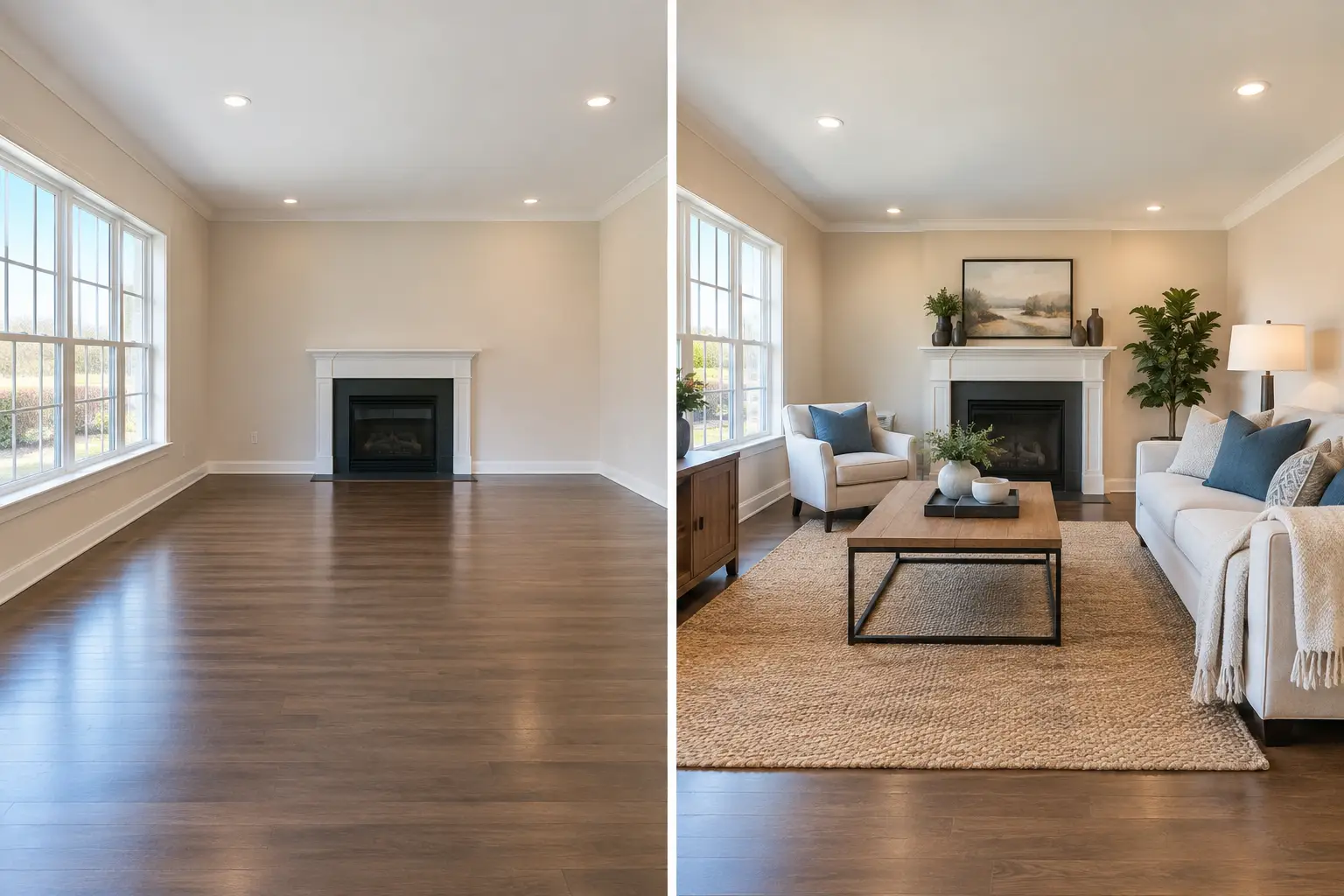
The strongest relocation decisions are made with a clear process, not a rushed weekend of showings. Start by separating your needs into three categories: must-haves, strong preferences, and features you are willing to compromise on. This keeps a beautiful kitchen or a staged living room from distracting you from practical needs such as commute, layout, condition, or budget.
If possible, visit at different times of day. Drive through on a weekday morning and a weekend afternoon. Notice traffic, train noise, nearby businesses, parking, and how the neighborhood feels after dark. If you cannot visit repeatedly, a local real estate professional can help you evaluate the factors that do not show up in listing photos.
Your offer strategy should also reflect the specific property and local conditions. Some homes may attract immediate attention because they are priced well, updated, or located in a highly sought-after neighborhood. Others may offer more room for negotiation due to condition, timing, or buyer demand. A personalized approach matters more than a one-size-fits-all tactic.
Homes by Stallings helps buyers bring local context to those decisions, from comparing communities to identifying the questions worth asking before an offer is written.
Give Yourself Room to Settle In
Relocation rarely ends at the closing table. Give yourself time to learn the shortcuts, find your preferred grocery store, understand trash and recycling schedules, and experience your new community beyond moving day. The first home you see may check every box on paper, but the right home should support the life you want to build after the boxes are unpacked.
A well-planned move to Southeast Wisconsin is less about chasing a perfect listing and more about making a confident, informed choice. When the home, location, and daily rhythm align, the region starts to feel less like a new address and more like home.
Recent Posts









GET MORE INFORMATION