
House Photos That Sell for a Stronger Listing
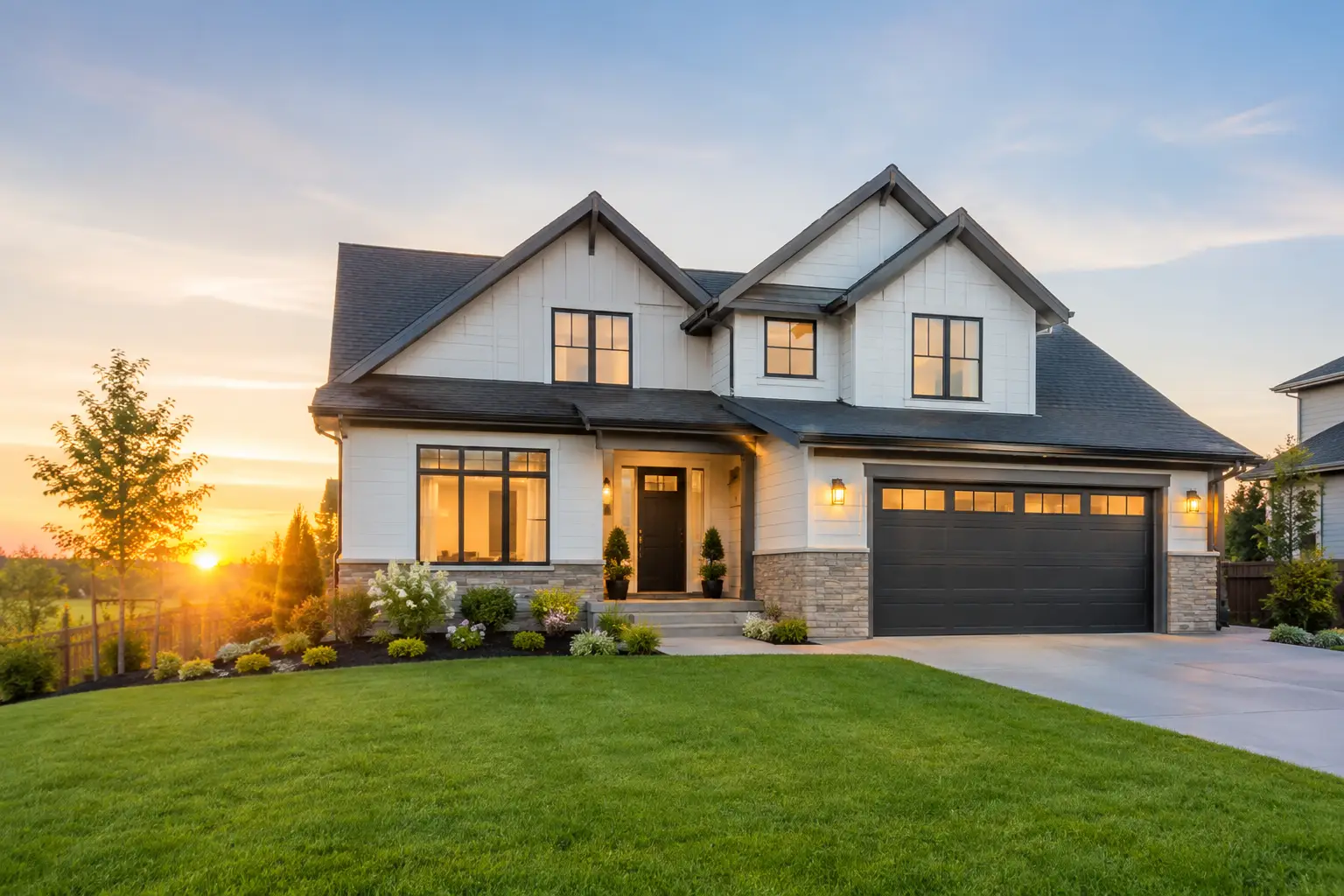
A buyer scrolling through listings in Washington, Waukesha, or Ozaukee County makes a first impression in seconds. House photos that sell do more than show rooms - they make a buyer pause, picture a life there, and decide the home is worth seeing in person. That matters because a showing request is often won or lost before a buyer reads the property description.
Strong listing photography is not about making a home look unlike itself. It is about presenting its best, most accurate version: bright, cared for, functional, and ready for the next owner. The goal is to help the right buyers recognize value quickly while setting honest expectations for their visit.
Why House Photos That Sell Start Before the Camera Arrives
Photography can improve the way a room is presented, but it cannot replace preparation. A crowded kitchen, dim living room, or unfinished weekend project will still compete for attention in every image. Sellers who treat photo day as a key marketing event usually create a stronger launch than those who view it as a quick task between packing boxes.
Start by removing personal and visual distractions. Family photos, refrigerator magnets, pet beds, countertop appliances, piles of mail, and extra furniture pull attention away from the home itself. You do not need to make every room feel empty. You do want each space to have a clear purpose and enough open area for buyers to understand its size and flow.
Cleanliness is equally visible in photos. Windows, mirrors, floors, shower doors, and stainless appliances deserve special attention because camera lenses catch streaks and smudges that are easy to overlook in person. Replace burned-out bulbs, make beds with simple bedding, hide trash cans, and straighten window treatments. Small improvements often create a more polished impression than expensive last-minute updates.
Outside, focus on the approach a buyer sees first. Mow the lawn, clear walkways, remove seasonal clutter, and make the entry feel welcoming. In Southeast Wisconsin, that may mean putting away snow shovels and salt containers after a winter storm, or keeping summer hoses, toys, and garden tools out of frame. The exterior should signal that the property has been well maintained before buyers ever reach the front door.
Use Light to Create Warmth, Not Confusion
Natural light is one of the biggest advantages in residential photography. Open blinds and curtains where privacy allows, clean the glass, and schedule photography when the home receives the most balanced light. A west-facing living room may photograph beautifully in the afternoon, while a front exterior facing east may look best earlier in the day.
More light is not always better. Direct sun can create harsh shadows, blown-out windows, and uneven color across a room. A skilled photographer balances window light with interior lighting and camera settings so a room feels bright without looking artificially white or overly edited.
Turn on lights that contribute to the room's overall warmth, including lamps, pendant lights, and under-cabinet lighting. At the same time, avoid mixing dramatically different bulb colors. A bright blue-white bulb next to a warm yellow lamp can make a clean room look mismatched. If possible, use bulbs with a consistent color temperature before photography day.
Weather also affects the plan. A gray Wisconsin day can still produce excellent interior images, especially when windows are large and rooms are properly lit. Exterior shots may need to be timed around the forecast or photographed separately. The point is not to wait endlessly for perfect conditions, but to make intentional choices about what each image needs.
Compose Each Room Around Its Best Feature
Every room should answer a simple question: what would make a buyer want to spend time here? In a family room, it may be a fireplace, picture window, or connection to the kitchen. In a primary bedroom, it may be the room's proportions, natural light, or a calm retreat-like feel. In a basement, it may be usable square footage and flexibility for recreation, work, or guests.
That focus should guide furniture placement and camera angles. Avoid pushing every piece of furniture against the wall simply to create open floor space. Sometimes a pair of chairs, a rug, or a simple seating arrangement helps a large room feel more understandable. The best composition shows scale while giving buyers a sense of how the space can function.
Wide-angle lenses are useful, but they require restraint. Images should make rooms feel open without distorting the shape of walls, doorways, or furniture. Buyers are wary of listings that look dramatically different in person. Accurate, well-composed photos build confidence and reduce the disappointment that can follow exaggerated imagery.
Bathrooms and kitchens need the same discipline. Clear counters almost completely, then leave only a few intentional details if they add warmth. Fresh towels, a neutral soap dispenser, or a simple bowl of fruit may work. A crowded countertop, even in a large kitchen, makes storage and work space feel limited.
Photograph the Story of the Property
A listing needs more than one attractive hero image. Buyers want to understand how the home lives from the moment they arrive through the rooms they will use every day. The image order should feel natural: an appealing exterior, key living areas, kitchen, bedrooms, bathrooms, lower level or flex spaces, outdoor areas, and any meaningful features that distinguish the property.
Not every room requires multiple photos. A small secondary bedroom or compact powder room may only need one clear image. On the other hand, a remodeled kitchen, a screened porch, a finished lower level, or a backyard designed for entertaining may deserve several views. The right number of photos depends on the home, not a fixed quota.
Include features that solve real buyer questions. If a home has a mudroom, generous pantry, first-floor laundry, oversized garage, fenced yard, or dedicated office, make those spaces easy to find in the photo sequence. These are often the practical details that help a buyer compare one listing to another.
Aerial photography can add context for homes with acreage, water access, a large lot, or a location near a desirable amenity. It is less useful when it does not reveal something meaningful. The same rule applies to twilight photography: it can create a compelling emotional image for a property with strong exterior lighting or outdoor living space, but it should support the listing rather than compensate for weak daytime photos.
Avoid the Details That Make Listings Feel Dated
The fastest way to weaken good photography is to leave visible distractions in frame. Open toilet seats, cords, tissue boxes, cleaning supplies, litter boxes, laundry piles, and mismatched rugs all suggest the home was photographed without a plan. Sellers do not need to achieve a showroom look, but they should remove anything that makes a buyer focus on daily chores instead of the home.
Be careful with heavy editing as well. Replacing gray skies, brightening dark corners, or correcting color can be appropriate when it creates a true-to-life image. Removing power lines, changing lawn conditions, or altering the condition of finishes crosses into a presentation that may not match reality. Trust is valuable in a real estate transaction, and photography should protect it.
Seasonal photos require judgment. A summer exterior may show landscaping at its best, while a winter listing may benefit from a current photo that reflects how the property looks today. If a prior-season image is used, it should be clearly relevant and not create confusion about the present condition of the home.
Work With a Marketing Plan, Not Just a Camera
Professional photography is usually one of the clearest investments a seller can make in a listing launch. The photographer's technical skill matters, but so does the strategy behind the shoot: which features buyers value in that neighborhood, how the listing will appear on mobile screens, and which image should lead the marketing.
At Homes by Stallings, photo preparation is part of the larger conversation about pricing, positioning, and the buyers most likely to respond. A renovated ranch near schools may need a different visual emphasis than a lake-area home, a condo, or a property with acreage. The strongest marketing does not rely on one formula.
Before the appointment, walk through the home with a critical eye. Ask what needs to be stored, repaired, cleaned, or rearranged. If a room is difficult to photograph, consider whether its current furniture layout is the issue or whether the room needs a clearer purpose. A modest spare room can become more appealing when it is presented honestly as an office, nursery, or guest space rather than an undefined storage area.
The right photos do not promise a perfect home. They give buyers a credible reason to take the next step. When every image is prepared with care, the listing begins the conversation with confidence - and gives the home its best chance to earn the showing it deserves.
Recent Posts









GET MORE INFORMATION
