
Best Ways to Boost Curb Appeal Before You Sell
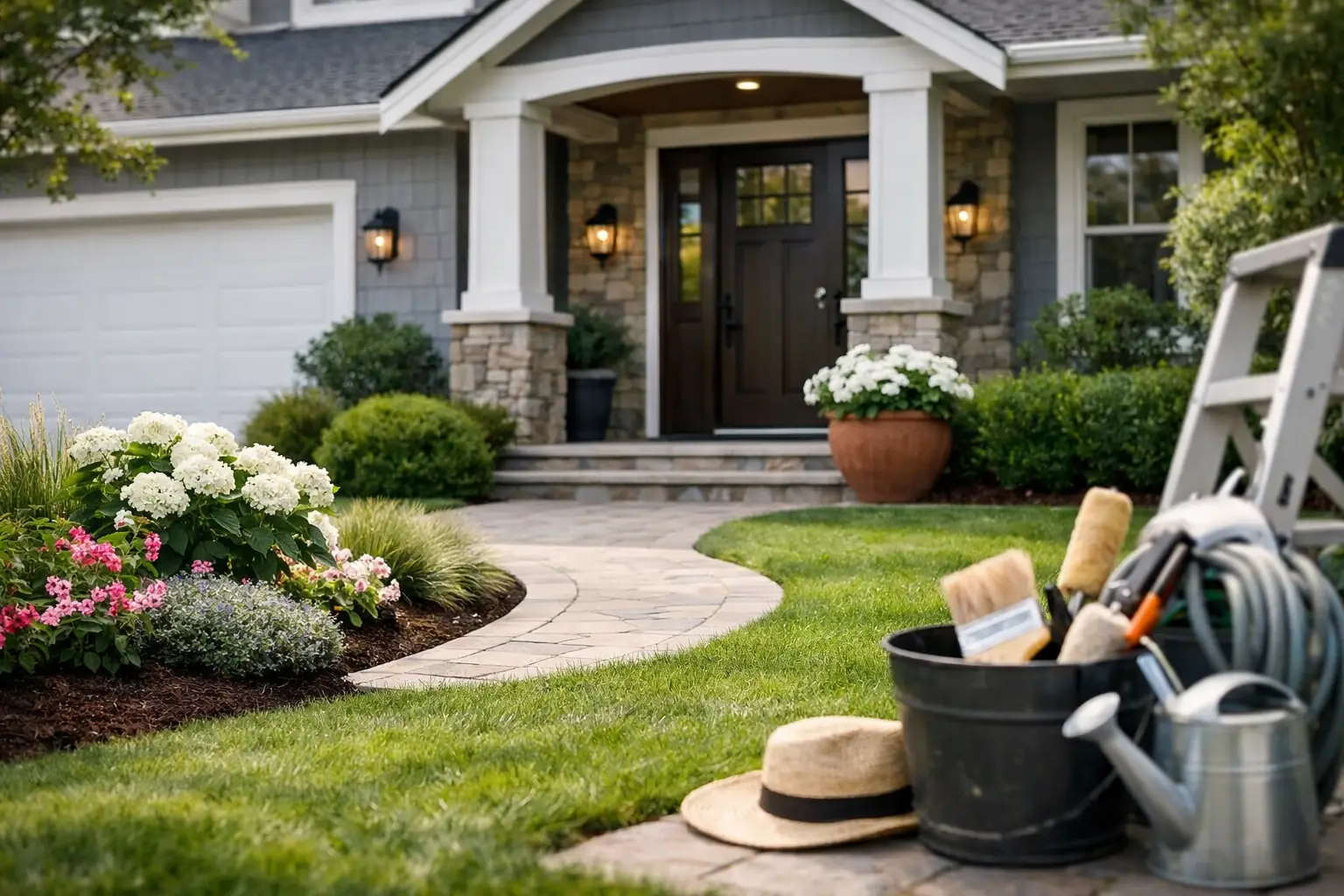
A buyer forms an opinion before they reach the front door. They notice the condition of the lawn, the paint around the trim, the driveway, and whether the entry feels cared for. The best ways to boost curb appeal are not always expensive projects. More often, they are thoughtful improvements that make a home look clean, maintained, and ready for its next owner.
For sellers in Washington, Waukesha, and Ozaukee Counties, curb appeal also has to account for our climate. Winters leave behind salt, grime, damaged edging, and tired landscaping. A few focused updates can make a meaningful difference in listing photos, showings, and the confidence a buyer feels when they pull up to the property.
Start With the View From the Street
Before buying mulch or paint, stand at the curb and look at your home as if you were seeing it for the first time. Better yet, take a photo from across the street. Photos make overgrown shrubs, crooked shutters, fading trim, and clutter easier to spot than a quick walk to the mailbox.
Ask a practical question: does the exterior communicate that the home has been maintained? Buyers do not expect every property to look brand new, especially in established Southeast Wisconsin neighborhoods. They do, however, look for signs that routine care has been handled. A neglected exterior can create doubts about larger, less visible maintenance items inside.
Start by removing distractions. Put away hoses, toys, bins, seasonal decorations, and excess patio furniture. Trim back shrubs that cover windows, crowd walkways, or hide architectural details. If a tree limb hangs low over the roof or driveway, have it professionally evaluated and trimmed if appropriate. The goal is not to make the yard look bare. It is to let the home itself be seen clearly.
Clean Before You Replace
Cleaning is one of the highest-return curb appeal projects because it immediately changes the impression of the property. Pressure wash or gently wash siding, walkways, front steps, porch railings, and the driveway where suitable for the material. Clean exterior light fixtures, windows, and the glass in the front door. Remove cobwebs from eaves and sweep the porch shortly before showings.
Pay particular attention to areas affected by Wisconsin weather. Salt residue on concrete, mildew on shaded siding, and dark stains on gutters can make an otherwise solid home look overlooked. A professional cleaning may be worthwhile for larger homes, steep rooflines, or surfaces that require specialized care.
Cleaning does have limits. Pressure washing too aggressively can damage older wood, loosen paint, scar soft brick, or force water behind siding. When there is any doubt, use the right method for the surface or hire a qualified professional. A clean exterior should never come at the cost of creating a repair issue.
Refresh Paint Where Buyers Will Notice It
You do not always need to repaint the entire exterior to create a stronger first impression. Touching up peeling trim, repainting a worn front door, and refreshing railings or shutters can deliver a more noticeable change for a smaller investment.
The front door deserves special attention because it is the focal point of the entry. A classic color that suits the home’s style can add personality, but restraint usually serves sellers best. Deep navy, charcoal, black, muted green, or a welcoming red can work well when coordinated with the siding and stone. If the home has a very traditional exterior, a color that feels too trendy may narrow its appeal.
Use a finish designed for exterior conditions, and do not overlook the details around the door. Fresh caulk, clean hardware, a straight storm door, and a working doorbell make the entry feel finished. If the house numbers are faded, undersized, or difficult to read, replace them with numbers that are visible from the street.
Repair the Small Things That Suggest Bigger Problems
Buyers often use exterior details to judge how carefully a home has been managed. Replace a missing shutter, secure a loose handrail, repair cracked steps, and address damaged screens. Make sure gutters are attached properly and downspouts direct water away from the foundation.
These are not dramatic upgrades, but they matter. A buyer may not mention a bent mailbox or a sagging gate during a showing, yet those details can influence whether the property feels move-in ready or like another project waiting to happen.
Make Landscaping Look Intentional
Landscaping should frame the house, not compete with it. Begin with the basics: mow the lawn, edge sidewalks and beds, pull weeds, prune dead growth, and add fresh mulch where it has thinned. Defined planting beds give the yard a cared-for appearance even when the landscaping is simple.
For a home going on the market, choose plants that look good now and require little attention. A few healthy annuals near the entry, a well-kept planter, or seasonal pots can add color without committing to a major redesign. In spring and summer, flowering plants can soften an entry. In fall, mums and a tasteful seasonal arrangement work well. During winter, when landscaping is dormant, keep walkways clear and use evergreen arrangements or a clean front-door wreath sparingly.
Avoid planting large shrubs or trees solely for a sale. They can be expensive, require ongoing care, and may not establish quickly enough to improve the listing. The same caution applies to elaborate hardscaping. If a cracked front walk creates a trip hazard or clearly detracts from the home, repair may be justified. But a full landscape overhaul rarely delivers the same return as cleaning, pruning, mulching, and correcting obvious flaws.
Give the Entry a Reason to Feel Welcoming
The path from the driveway to the front door should be easy to follow, safe, and inviting. Check that the walkway is clear, porch lights work, and railings are secure. Add a new doormat if the existing one is worn, but avoid using mats with overly personal messages or bold patterns that may not fit the home’s style.
Lighting is especially valuable for evening showings and shorter fall and winter days. Replace burned-out bulbs with matching bulbs that provide a warm, clear light. Fixtures should complement the home, but they do not need to be expensive. If an old fixture is heavily rusted, cracked, or undersized, a simple updated replacement can make the entry look more current.
A modest seating area can work on a porch with enough room, but scale matters. One or two clean chairs and a small table may suggest an enjoyable outdoor space. Crowding a narrow porch with furniture, décor, and planters makes the entrance feel smaller.
Do Not Forget the Driveway and Garage
Many buyers will enter through or at least closely inspect the garage, particularly in our region. Keep the driveway edged and free of oil stains, weeds, and unnecessary vehicles. Repair a visibly damaged mailbox post or fence line near the drive. If the garage door is faded or dirty, cleaning and touch-up paint can help considerably.
Make sure the garage door opens smoothly and exterior lights are operational. If the door is dented, noisy, or near the end of its useful life, discuss the cost and likely benefit of replacement with your real estate professional. A new garage door can improve appearance, but the right choice depends on the home’s price point, neighborhood expectations, and the condition of the existing door.
Prepare for Listing Photos, Not Just Saturday Showings
Curb appeal needs to hold up online, where most buyers first encounter a home. Schedule exterior photos after the lawn has been mowed, beds have been refreshed, and outdoor clutter has been removed. Move vehicles out of the driveway if possible. Open blinds and curtains that are visible from the front so the house does not appear closed up.
Timing matters. A bright overcast day can photograph beautifully, while harsh midday sun can create deep shadows. If you are selling in winter, clear snow and ice from the driveway, steps, and walkways before photos and showings. In summer, water flowers and containers enough to keep them looking healthy, but avoid creating puddles near the entry.
Spend Where Buyers Can See the Value
The strongest curb appeal plan is usually a balanced one. Spend first on maintenance, cleanliness, safety, and the entry. Then consider cosmetic updates that match the home’s value and the expectations of nearby listings. It may make sense to repaint tired trim before listing a well-kept move-up home, while a seller of a property needing broader renovation may be better served by focused cleanup and transparent pricing.
Curb appeal is not about making a home look like someone else’s. It is about presenting the property at its best and giving buyers a confident first step toward seeing what is inside. When the exterior looks cared for, buyers are more likely to arrive curious, stay engaged, and picture themselves coming home.
Recent Posts









GET MORE INFORMATION