
How to Budget for Wisconsin Property Taxes
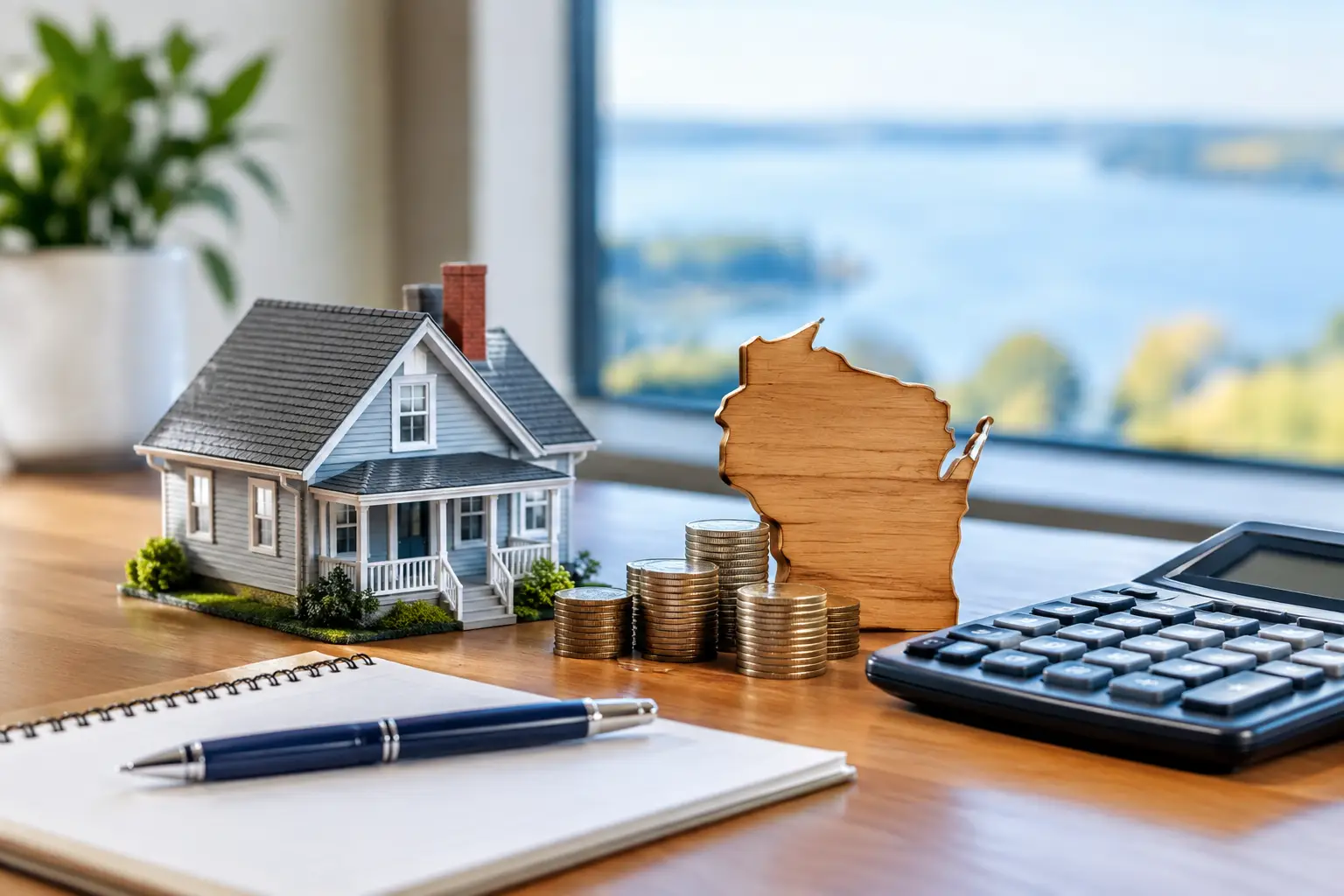
A home payment can look comfortable until the property tax bill arrives. When you budget for Wisconsin property taxes, you are planning for a cost that varies by municipality, school district, assessment, and available tax credits. For buyers in Washington, Waukesha, and Ozaukee Counties, getting this number right early can make the difference between a home that fits comfortably and one that stretches the monthly budget.
The good news is that property taxes are not a mystery when you know where to look. A careful estimate, a little room for change, and a clear understanding of escrow can help you buy or keep your home with fewer financial surprises.
Start With the Property's Most Recent Tax Bill
The most useful starting point is the property's latest annual tax bill. It shows the actual amount paid, the taxing jurisdictions involved, and whether credits reduced the owner's final bill. A listing's estimated taxes can be helpful, but it should not be your only planning number.
For a home you are seriously considering, review the most recent bill alongside the current assessed value. The assessment is the value assigned by the local assessor for tax purposes. It is not necessarily the same as the home's purchase price, appraised value, or what it could sell for in the current market.
If last year's tax bill was $6,000, that works out to about $500 per month before allowing for future changes. That monthly figure is useful because most buyers pay taxes through an escrow account as part of their mortgage payment. If you will pay taxes directly, setting aside that same amount each month protects you from a large year-end bill.
Why Wisconsin Property Taxes Change
A previous tax bill is a strong reference point, not a permanent promise. Wisconsin property taxes can move because of a change in assessed value, local levies, school district needs, municipal services, county costs, and special charges. A home can also be reassessed after a sale, although a sale alone does not automatically determine the next assessment.
This is where buyers should avoid a common mistake: assuming that the seller's taxes will be exactly their taxes. If a home has been owned for many years, its assessment may not reflect its current market position in the same way a recent purchase might. Significant remodeling, a new addition, or changes to nearby development can also affect future assessments.
Special assessments deserve a separate look. These may appear on a tax bill for local improvements such as road, sewer, water, or sidewalk work. Some are paid in full, while others can be spread over several years. Ask whether any balance remains and whether the municipality has announced upcoming projects. A lower purchase price does not feel like a bargain if a sizable assessment is waiting just after closing.
How to Budget for Wisconsin Property Taxes Before You Buy
Use a simple planning range rather than relying on one fixed figure. Start with the latest annual property tax bill, divide it by 12, and add a cushion of 5% to 10% to your monthly estimate. The right cushion depends on the property's history and the local community. A recently reassessed home may call for a different approach than a home with a long period between updates.
For example, if the latest bill is $7,200 per year, the base monthly estimate is $600. With a 10% cushion, plan on roughly $660 per month. This is not a prediction of the next bill. It is a practical way to test whether the full cost of ownership works with your income, savings goals, and other household expenses.
Then build taxes into the full housing payment, not as an afterthought. Your working monthly number should include principal and interest, homeowners insurance, property taxes, association dues if applicable, utilities, routine maintenance, and a reserve for repairs. A lender may approve a payment that feels technically workable, but your own budget should leave room for normal life.
Understand the Difference Between Escrow and Affordability
An escrow account is designed to collect money monthly for property taxes and homeowners insurance, then pay those bills when due. It can make a large annual expense easier to manage, but it does not eliminate the cost or guarantee the payment will stay the same.
If taxes or insurance rise, your mortgage servicer may conduct an escrow analysis and adjust your monthly payment. If the account comes up short, you may have to cover the shortage in a lump sum or through higher monthly payments. That is why a little personal cushion matters even when taxes are escrowed.
At closing, buyers commonly prepay a portion of future taxes into escrow, depending on the loan and closing timeline. Buyers should also expect tax proration between buyer and seller. The precise treatment depends on the contract, closing date, and local tax cycle, so it is worth reviewing the closing estimate carefully rather than assuming the tax line is a minor detail.
Assessments, Tax Rates, and Purchase Price Are Different Numbers
Property tax conversations often get confusing because three separate numbers are treated as if they mean the same thing. They do not.
The purchase price is what you agree to pay for the home. The assessed value is the value used by the municipality for property tax purposes. The tax rate reflects the combined costs of the taxing jurisdictions serving that property. A home can sell above or below its assessed value without creating a direct, dollar-for-dollar tax result.
This distinction matters especially in competitive Southeast Wisconsin markets. Paying more than the assessed value does not automatically mean your tax bill will immediately match the sales price. At the same time, it would be unwise to assume the assessment will never change. Plan with the current bill, consider the home's sales history and condition, and leave room for a higher future expense.
Look for Credits, But Do Not Build Your Budget Around Them
Wisconsin homeowners may qualify for credits that reduce the amount due, including the Wisconsin Lottery and Gaming Credit for a qualifying primary residence. Some owners may also qualify for the First Dollar Credit. Eligibility, filing requirements, and amounts can change, and credits may not transfer automatically from one owner to the next.
Treat a credit as a potential benefit to confirm, not as money to spend before you know it applies. If you are buying a primary residence, ask the appropriate local office or your closing team what steps are needed after closing. If you are buying a second home or investment property, do not assume primary-residence credits will be available.
Questions Worth Asking Before You Write an Offer
The tax bill provides facts, but a few focused questions add context. Ask for the most recent tax bill and confirm whether there are unpaid installments or special assessments. Ask when the home was last assessed and whether major work has been completed since then. If the property is part of a homeowners association, confirm dues and whether the association has discussed a special assessment of its own.
It can also help to compare tax bills for a few similar homes in the same municipality. Comparisons are most useful when the homes have similar size, age, lot characteristics, and school district. A nearby home across a municipal or school district boundary may have a very different tax picture.
For sellers, accurate tax information supports a cleaner listing and a more confident buyer conversation. Have the latest bill available, disclose known special assessments, and be prepared to explain any unusual change in the tax amount. Clear information helps buyers evaluate the true carrying cost of the home rather than filling in the gaps with assumptions.
Keep the Budget Flexible After Closing
Once you own the home, review the property tax bill every year. Compare the assessed value, credits, special charges, and total due with the prior year. If a change seems inaccurate, review the local assessment notice and follow the municipality's process and deadlines for questions or objections. Waiting until the bill is due may be too late to challenge the assessment.
A home should support the life you want to live in it. Before making an offer, make space in your numbers for Wisconsin property taxes that may change over time, not just the figure displayed on a listing. Thoughtful planning gives you the freedom to focus on the home, the neighborhood, and the future you are building there.
Recent Posts









GET MORE INFORMATION