
Staging Before and After Examples That Sell
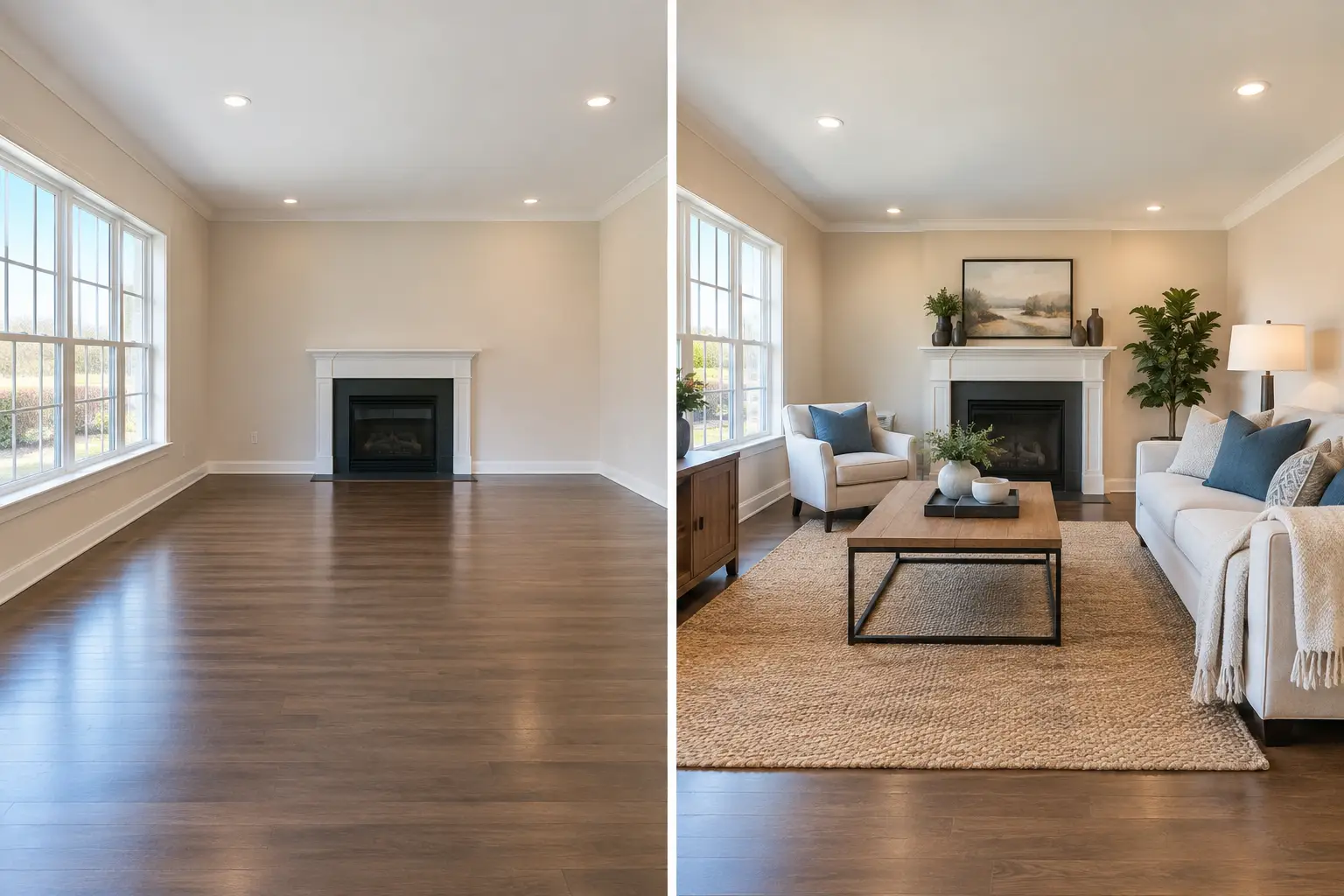
A buyer can form an opinion about a home before they reach the second room. That is why staging before and after examples are so useful for sellers: they make the difference between simply preparing a property and presenting a home buyers can picture themselves owning.
Staging is not about making a house look like someone else lives there. It is about removing distractions, clarifying how each room functions, and giving buyers a reason to linger in the listing photos and at the showing. In Southeast Wisconsin, where buyers often compare several homes in a single weekend, that clarity can shape the entire experience.
What staging changes before a buyer walks in
Most sellers do not need a full redesign. They need thoughtful decisions that make square footage, natural light, storage, and condition easier to see. A home can be clean and still feel crowded. It can be well maintained and still photograph poorly. Staging addresses the gap between how a homeowner lives in a space and how a buyer evaluates it.
The strongest results usually come from a combination of editing, furniture placement, light cosmetic updates, and professional photography. The goal is not to hide flaws. A dated bathroom is still dated, and a small bedroom is still small. The goal is to show the property honestly at its best while helping buyers understand its potential.
Staging before and after examples sellers can use
The living room that felt smaller than it was
Before staging, a living room may have oversized reclining sofas, multiple side tables, family photos, pet accessories, and a television as the only focal point. Nothing is necessarily wrong with the room, but the arrangement can make buyers focus on the furniture instead of the room itself.
After staging, the space may have one appropriately scaled sofa, two chairs, a simplified coffee table, a neutral rug, and a clear path through the room. Personal items are reduced, window treatments are opened, and a lamp is added to brighten a dim corner. The square footage has not changed, but the room feels more usable and easier to imagine as a place for conversation, relaxing, or hosting guests.
This is particularly valuable in homes with modest main-floor living areas. Buyers need to see that the room can accommodate everyday life without feeling tight.
The dining room that became a storage zone
Dining rooms are often asked to do too much. They become home offices, homework stations, package drop zones, or extra storage for furniture that no longer fits elsewhere. In listing photos, that can create uncertainty about whether the home has a true dining area at all.
The after version does not need to look formal or expensive. A properly sized table, four to six simple chairs, a light centerpiece, and a cleared sideboard can establish the room's purpose immediately. If the home is likely to appeal to families, staging can show enough seating for daily meals without crowding the floor plan.
The trade-off is practical: sellers still need somewhere to work and store belongings while the home is on the market. Temporary off-site storage or a carefully contained workspace in a less prominent area is often worth considering during the listing period.
The primary bedroom that looked too personal
Bedrooms should feel restful, but owner-specific decor can make it harder for buyers to connect. Bold wall colors, large collections, exercise equipment, laundry piles, and heavy furniture can pull attention away from features such as closet space, windows, or hardwood floors.
After staging, the bed is typically centered where possible, with simple bedding and enough space to walk around it. Nightstands are cleared except for a lamp and a small accent. Closets are edited so they look functional rather than overflowing. A fresh coat of neutral paint may be worthwhile when a color is especially dark, worn, or polarizing.
Neutral does not mean bland. Texture in bedding, warm wood tones, greenery, or a single piece of art can give the room character without making a buyer feel like they are entering someone else's private space.
The empty room with no clear purpose
Vacant homes create a different problem. Buyers may appreciate the blank slate, but empty rooms can look smaller online and leave people guessing about furniture placement. An awkward loft, narrow den, or lower-level bonus room is especially vulnerable to this issue.
A staged after photo might show a compact desk and chair in a loft, a reading chair and bookshelf in a small den, or a sectional and media console in a finished basement. The furniture provides scale. It answers the unspoken question: What would I do with this room?
Virtual staging can be useful for online marketing when a property is vacant, particularly in rooms with an unclear function. However, it should be used carefully and disclosed appropriately. Buyers should not arrive expecting included furniture or renovations that are not actually present. In-person presentation still needs to support the promise made in the photos.
The kitchen with good bones but too much on display
Kitchens often sell homes, yet they are among the hardest rooms to prepare because they are used constantly. Before staging, counters may hold small appliances, mail, medications, paper towels, knife blocks, and decorative items. Even a larger kitchen can look short on workspace when every surface is full.
After staging, the counters are mostly clear. A coffee maker or one attractive functional item may stay, but the visual message is space and order. Cabinet fronts are wiped down, bulbs are matched, and the sink is empty. A bowl of fruit or a small plant can add warmth, but the room should not feel decorated at the expense of usability.
If cabinets, counters, or flooring are dated, staging will not turn them into new materials. It can, however, help buyers focus on layout, storage, and light. Whether a larger kitchen update makes financial sense depends on the home, price range, competing listings, and expected return. Not every seller benefits from a renovation before listing.
Where staging has the greatest impact
Focus your effort where buyers make fast judgments: the exterior approach, entry, living room, kitchen, primary bedroom, and main bathrooms. These spaces typically carry the most weight in listing photography and showings.
Curb appeal deserves the same attention as the interior. Before staging, a front porch may have dead planters, seasonal clutter, faded mats, and overgrown landscaping. Afterward, trimmed shrubs, a clean walkway, a new mat, and a few restrained seasonal touches create a cared-for first impression. In Wisconsin, timing matters. A winter listing may benefit more from cleared paths, bright exterior lighting, and a clean entry than from elaborate landscaping.
Bathrooms also benefit from restraint. Fresh towels, a clean mirror, closed toilet lids, and minimal counter items go a long way. Buyers are not looking for a spa display. They are looking for evidence that the space is clean, functional, and maintained.
Staging is a pricing and marketing decision, not just a decor decision
Well-staged homes often photograph better, generate stronger early interest, and support a more confident showing experience. That does not mean staging can overcome an unrealistic price, needed repairs, or a weak location. Buyers will still compare condition, layout, updates, taxes, and neighborhood appeal.
The right level of staging depends on the property. An occupied move-up home may only need consultation, decluttering, and targeted furniture edits. A vacant home in a competitive price range may justify professional staging in key rooms. A property needing significant renovation may be better served by cleaning, repair work, honest presentation, and pricing that reflects its condition.
At Homes by Stallings, the conversation starts with the home itself, the likely buyer, and the local competition. A staging plan should support the sales strategy, not become an unnecessary expense.
A buyer does not need to love every pillow or paint color. They need to feel confident that the home fits their life. The best staging creates that confidence quietly, one clear and welcoming room at a time.
Recent Posts








GET MORE INFORMATION