
Suburban Housing Trends in Southeast Wisconsin
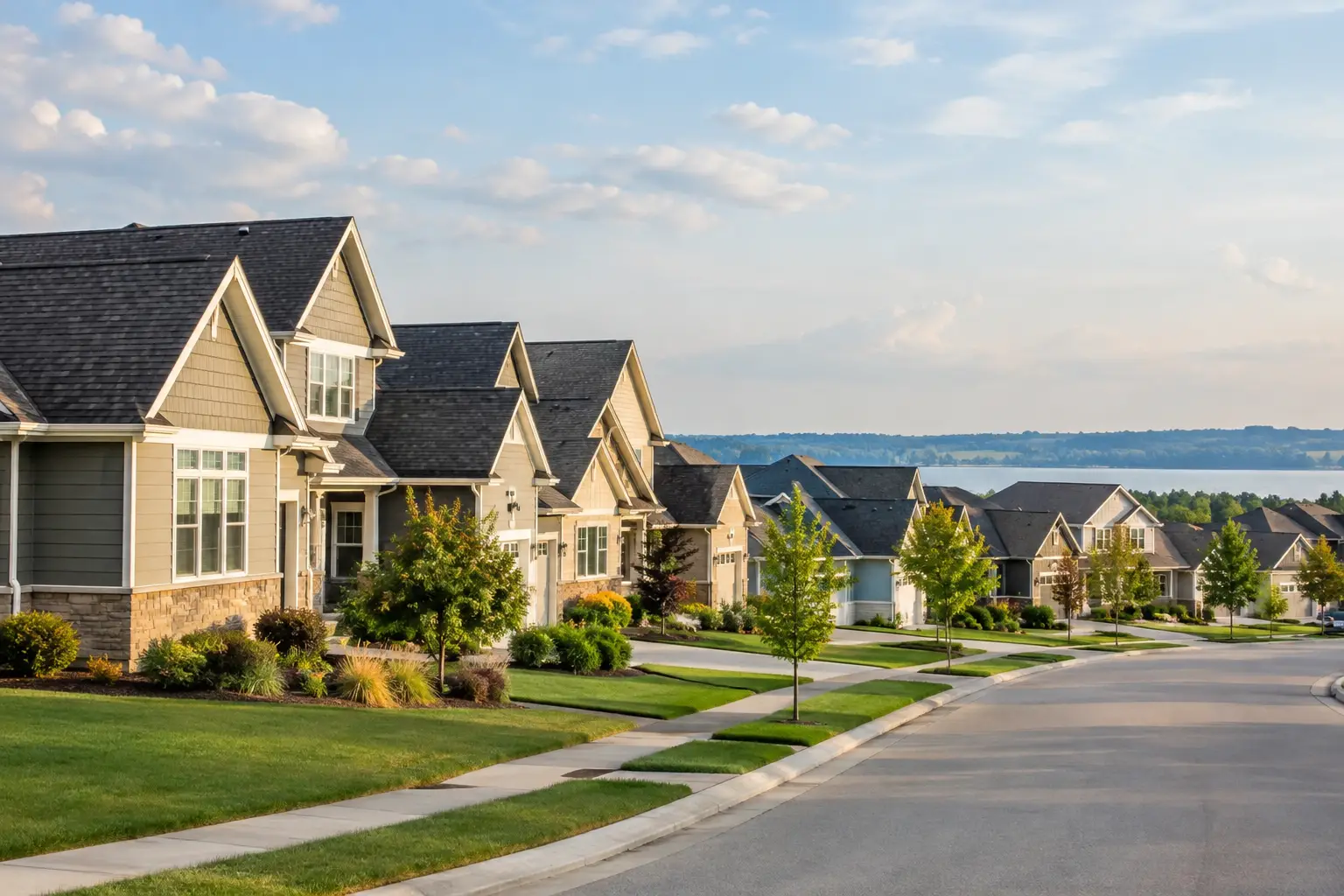
A family can love a home’s kitchen, yard, and curb appeal, then walk away because the commute feels too long or the floor plan will not work two years from now. That is why suburban housing trends are about more than home styles or sale prices. They reflect how people expect to live, work, gather, and adapt as their needs change.
Across Washington, Waukesha, and Ozaukee Counties, buyers are still drawn to the space, neighborhood feel, and relative flexibility that suburban communities can offer. But demand is becoming more selective. Buyers are looking past square footage alone and placing more weight on location, condition, practical layouts, and the total monthly cost of ownership.
For homeowners preparing to sell, understanding those priorities can help determine where to invest effort before going to market. For buyers, it creates a clearer framework for deciding which compromises are manageable and which ones will affect daily life long after closing.
The Suburban Housing Trends Buyers Are Following
The suburban market is not one market. A move-up buyer searching near Menomonee Falls may have a different wish list than a first-time buyer considering West Bend, or a household relocating to Mequon for more space. Still, several patterns are shaping decisions across Southeast Wisconsin.
Functional space matters more than simply more space
The era of counting bedrooms without considering how a home functions is fading. Buyers still value additional rooms, but they are asking more practical questions: Is there a quiet place for remote work? Can the lower level accommodate guests, hobbies, or teenagers? Is there a flexible room that could be an office today and a nursery later?
A formal dining room may be less persuasive than a kitchen with adequate storage, an open but defined living area, or a finished basement that genuinely expands usable living space. The goal is not for every home to look identical. It is for the layout to make sense for real routines.
For sellers, this can be a matter of presentation as much as renovation. A spare room filled with storage may read as wasted potential. Staging it as an office, study area, or guest room helps buyers understand its purpose without requiring a major project.
Move-in readiness carries a premium
Many buyers have become more cautious about taking on immediate repairs. Higher ownership costs, busy schedules, and uncertainty about contractor timelines can make a home with deferred maintenance feel more expensive than its list price suggests.
That does not mean every seller needs a full remodel. In fact, expensive updates do not always produce a matching return. Buyers tend to respond well to clear evidence that a home has been cared for: a maintained roof and mechanical systems, fresh neutral paint where needed, repaired fixtures, clean gutters, and organized documentation for completed work.
The difference is confidence. A buyer may accept an older kitchen if the home feels clean, solid, and honestly represented. They are less likely to overlook a small cosmetic issue when it is paired with unanswered questions about windows, drainage, appliances, or major systems.
Outdoor living remains part of the value equation
A suburban home is often chosen for what happens beyond the front door. Usable yards, patios, decks, screened spaces, mature trees, and room for a garden or play area can all strengthen a property’s appeal. Buyers are looking for outdoor areas they can picture using, not just acreage listed on a property sheet.
Usability matters here, too. A modest backyard with a well-maintained patio and simple landscaping can be more appealing than a larger lot with difficult grading or extensive upkeep. Privacy, sunlight, access, and maintenance expectations all affect how a buyer sees the space.
Location has become more specific
“Good location” is too broad to be useful. Buyers increasingly evaluate the details: travel time to work, access to everyday shopping, proximity to parks and trails, road noise, neighborhood traffic patterns, and how easily they can reach family or community activities.
School district considerations remain meaningful for many households, but they are only one part of the picture. Buyers should verify district boundaries and enrollment policies directly rather than relying on assumptions. Sellers benefit from focusing on accurate, tangible location advantages, such as nearby recreation, a walkable downtown area, or convenient access to major routes.
Affordability Is Redefining the Search
One of the most consequential suburban housing trends is the shift from purchase price alone to monthly affordability. Buyers are weighing mortgage payments alongside property taxes, insurance, utilities, association dues where applicable, and anticipated maintenance.
This changes how homes compete. A newer home with efficient systems may command more upfront but feel manageable over time. A larger home with an attractive asking price may require a more careful review if its taxes, heating costs, or near-term repair needs are substantial. Neither option is automatically better. It depends on a buyer’s budget, available cash after closing, and tolerance for ongoing projects.
For sellers, thoughtful pricing is especially important in this environment. A home can generate interest because of its location or features, but buyers will compare it closely with nearby alternatives. A pricing strategy should reflect condition, updates, lot characteristics, competing listings, and recent local sales, not simply a broad countywide headline.
Why Well-Presented Homes Stand Out Faster
When buyers have options, details influence momentum. The homes that receive strong early interest usually make it easy for buyers to understand value from the moment they view photos, read the property description, or walk through the front door.
That starts with preparation. Decluttering, cleaning, addressing obvious repairs, improving lighting, and creating a cohesive first impression can make a meaningful difference. It also means avoiding improvements that are highly personal or unlikely to suit the price range. Replacing a worn-out vanity or refreshing dated paint may be wise. Installing a luxury feature that pushes the home beyond neighborhood expectations may not be.
A seller should also expect buyers to notice the less glamorous details. Mechanical rooms, basements, garages, and storage areas often signal how a property has been maintained. These spaces do not need to look like a showroom, but they should be accessible, clean, and free of distractions that suggest neglect.
Inventory Can Change the Conversation Quickly
Suburban real estate is local and seasonal. A shortage of comparable homes can create intense competition for a property that is priced and presented well. A sudden increase in listings can give buyers more room to compare, negotiate, and wait for the right fit.
That is why broad national headlines are useful only as background. Conditions can vary between neighboring communities and even between price points within the same community. Entry-level homes, updated family homes, luxury properties, and homes needing work do not necessarily move at the same pace.
Buyers should be ready before the right home appears, with financing conversations completed and priorities clearly defined. Sellers should avoid assuming that a desirable address removes the need for preparation or strategic pricing. Good decisions are based on current local competition, not last year’s market story.
The Trade-Offs Buyers Should Decide Before Touring
Suburban buyers often face a familiar choice: buy a home that is move-in ready but smaller or farther from their preferred location, or choose more space with updates and maintenance ahead. There is no universal answer, but clarity prevents frustration.
Start by separating needs from preferences. A manageable commute, enough bedrooms, and a payment that leaves room for savings may be needs. A specific countertop, a three-car garage, or a finished basement may be preferences. Preferences matter, but they should not quietly turn a workable search into an impossible one.
It also helps to think beyond the first year. A home that fits today but has no flexibility for a growing household, work changes, or aging parents may create another move sooner than expected. On the other hand, buying substantially more house than needed can strain the budget and add maintenance that no one enjoys.
A More Intentional Suburban Market
The strongest pattern across suburban housing is not a single style or neighborhood. It is intentionality. Buyers want homes that support their routines without creating financial or maintenance surprises. Sellers who recognize that mindset can present their homes with greater clarity and credibility.
At Homes by Stallings, the conversation begins with the specific property, neighborhood, and goals in front of you. Whether you are weighing a move, preparing to sell, or trying to make sense of competing options, a local perspective can turn broad market trends into a decision you can feel good about.
Recent Posts









GET MORE INFORMATION