
How to Stage an Occupied House for Showings
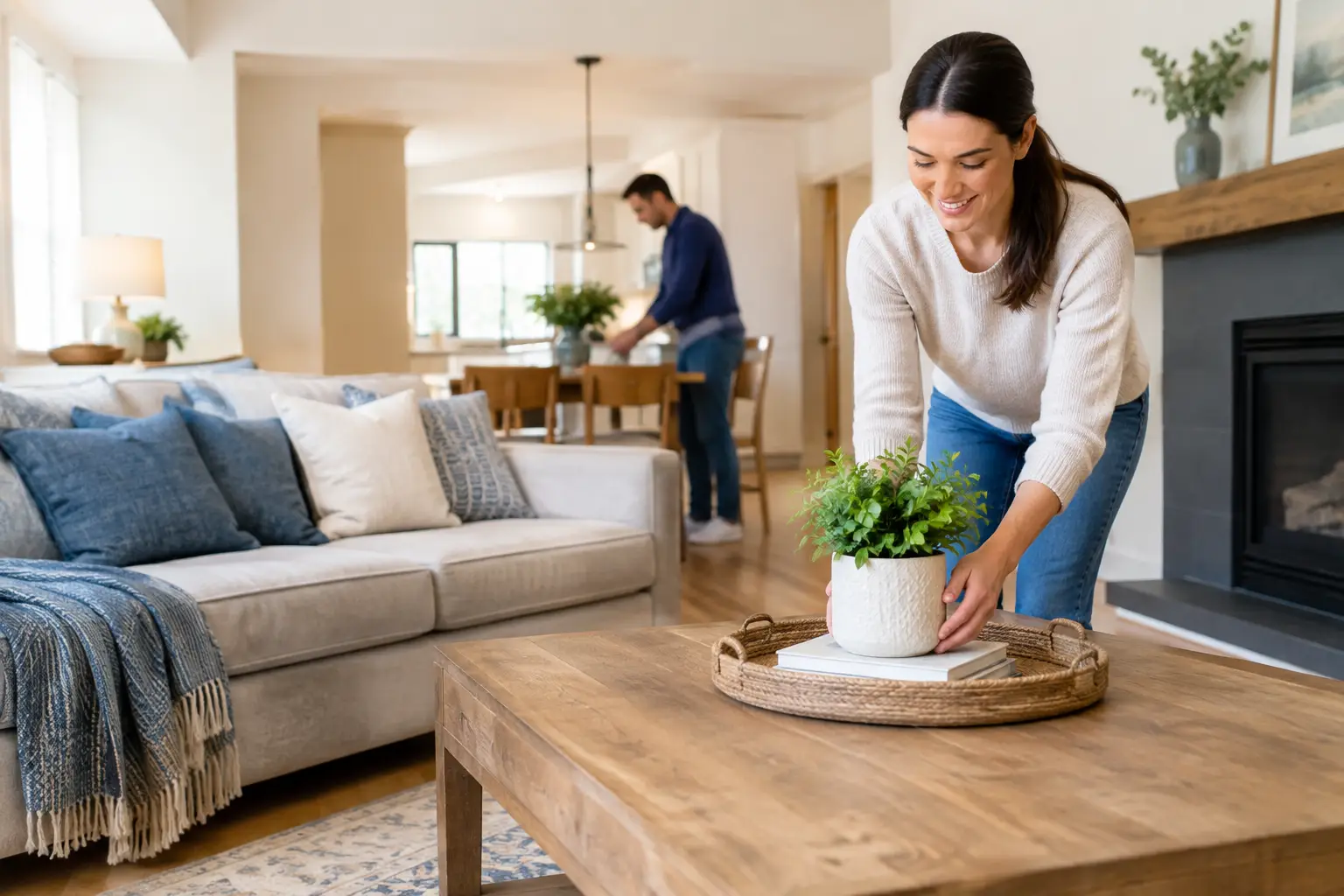
A house does not need to be empty to make a strong first impression. In fact, when you stage an occupied house for showings well, buyers can see both the home’s potential and the comfortable life it supports. The challenge is presenting that lifestyle without asking your family to stop living in the home while it is for sale.
For sellers across Southeast Wisconsin, the goal is not to create a showroom that feels impersonal. It is to make the house feel spacious, cared for, and easy for a buyer to picture as their own. That takes a clear plan, a few practical habits, and an honest understanding of what buyers notice first.
Start With the Rooms That Sell the House
Not every room needs the same level of attention. Put your energy into the spaces that influence a buyer’s overall impression: the entry, living room, kitchen, primary bedroom, bathrooms, and outdoor areas. If these rooms feel clean, open, and purposeful, buyers are more likely to view the rest of the home positively.
Begin at the front door. Clear the porch of excess furniture, seasonal items, and anything in need of repair. A clean mat, a working light fixture, and a tidy entry tell buyers the home has been maintained. That impression carries through the showing.
In the kitchen, clear counters as much as daily life allows. Small appliances, mail, school papers, pet supplies, and charging cords quickly make even a generous kitchen feel short on storage. Leave a few intentional items, such as a bowl of fresh fruit or a simple tray, but keep the working surfaces visible.
Bathrooms deserve the same discipline. Store personal toiletries out of sight, put fresh towels out before a showing, and close toilet lids. Buyers should be able to assess the room, not feel like they are stepping into someone’s morning routine.
Staging an Occupied House for Showings Means Editing, Not Erasing
Occupied-home staging is often misunderstood as decorating. More often, it is editing. Buyers need enough furniture to understand how a room functions, but too much furniture can make a home feel smaller than it is.
Walk through each room and ask whether every visible piece earns its place. An oversized recliner, a second coffee table, or several small storage cabinets may be useful to your household, but they can interrupt the sightlines buyers need. Removing one or two pieces from a room can create a surprisingly meaningful difference.
Personal items require a balanced approach. Family photos, children’s artwork, collections, and highly specific decor make a house feel loved, but too much of it can make it harder for buyers to imagine themselves there. You do not need to strip every surface bare. Aim for a home that feels warm and lived in, while giving buyers room to form their own connection.
This is also the right time to pack items you will not need before your move. Off-season clothing, extra dishes, books, hobby supplies, and decorative pieces can go into labeled bins. If possible, move those bins off-site rather than stacking them in the basement, garage, or closets. Buyers open storage spaces, and crowded storage suggests the house may not have enough room.
Create a Showing-Ready Routine
The most difficult part of selling an occupied home is not preparing for the first showing. It is being ready for the fifth, tenth, or last-minute request without feeling overwhelmed.
A simple daily reset makes the process manageable. Before leaving for work or school, make beds, load the dishwasher, wipe kitchen counters, and put away shoes, coats, backpacks, and pet items. These small tasks take far less time when they are part of the household rhythm rather than an emergency response to a showing request.
Keep one basket or bin for fast pickup. When a showing is scheduled, use it for loose items that tend to collect around the house: remotes, chargers, paperwork, toys, and toiletries. Store the basket in your vehicle or take it with you during the showing. This prevents rushed decisions, like stuffing clutter into a closet a buyer is likely to open.
It helps to keep a separate showing kit with cleaning wipes, a lint roller, glass cleaner, fresh towels, and a small bag for trash. If you have pets, add a pet-hair tool and a plan for food bowls, litter boxes, beds, and toys. Pets are part of the family, but buyers should not be distracted by odors, fur, or evidence of an animal in every room.
Let Light and Air Do More of the Work
A bright home generally feels larger, cleaner, and more inviting. Open blinds and curtains before showings, especially in rooms with strong natural light. Replace burnt-out bulbs and use consistent, warm-white bulbs where possible. Mixed light temperatures can make rooms look uneven in person and in listing photos.
Fresh air matters, particularly in Wisconsin homes that may be closed up during colder months. Open windows briefly when weather allows, run bathroom fans, and avoid heavy air fresheners. Strong fragrances can raise questions about what they are trying to cover up. Clean, neutral air is better than a perfume-heavy room.
Temperature is another quiet but meaningful detail. A house that is too cold in winter or too warm in summer can make a showing feel uncomfortable and rushed. Set the thermostat at a reasonable level so buyers can move through the home without thinking about the temperature.
Make Everyday Spaces Look Intentional
Some occupied homes have rooms that work hard: a dining room that doubles as a home office, a basement used for fitness equipment and storage, or a bedroom shared by children. These spaces can still show well when their purpose is clear.
If a dining table is also your desk, remove office materials for showings so buyers can see the room’s original function. If a bedroom is crowded, use coordinated bedding and reduce visible furniture where possible. In a multipurpose basement, create distinct zones rather than allowing equipment, storage, and recreation items to blend together.
There are trade-offs here. A seller with young children, a demanding work schedule, or limited storage may not be able to maintain a magazine-perfect home for weeks. That is normal. Focus on the improvements that change perception most: cleanliness, clear pathways, visible square footage, and a sense that the home has been cared for.
Prepare for the Details Buyers Notice
Buyers often notice the small signals that sellers have learned to overlook. Scuffed walls, loose cabinet handles, dirty switch plates, worn caulk, and cluttered laundry areas can make a home feel less maintained than it really is. A weekend of minor repairs and touch-ups can protect the value created by stronger staging.
Pay attention to odor sources as well. Garbage disposal buildup, damp towels, pet areas, cooking odors, and basement humidity are common issues. Address the source rather than masking it. Clean drains, take out trash, wash pet bedding, and use a dehumidifier if the lower level feels damp.
Before each showing, do one final walk-through from a buyer’s perspective. Enter through the front door, pause in the main living area, and look at the kitchen counters. Check that lights are on, toilet lids are closed, blinds are open, and personal items are put away. Then leave the property during the showing whenever possible. Buyers tend to stay longer and speak more openly when the seller is not present.
Know When Professional Guidance Helps
Every occupied home has different constraints. A well-maintained home with a simple layout may need only decluttering and better photography. A home with dated furnishings, unusual room uses, or limited natural light may benefit from more detailed staging recommendations.
A knowledgeable real estate advisor can help you distinguish between projects that matter and projects that simply add expense. Homes by Stallings works with sellers to identify the improvements that support market value, fit the property’s price range, and respect the realities of daily life.
The best staging plan is one you can sustain. Make the home easy to show, keep the essentials ready, and let buyers experience the space without the distractions of day-to-day clutter. That practical consistency can turn an occupied house into a place buyers remember for the right reasons.
Recent Posts








GET MORE INFORMATION