
When Should Buyers Lock Rates on a Mortgage?

When should buyers lock rates? The question usually becomes urgent the moment an offer is accepted and the numbers stop feeling theoretical. A small change in a mortgage rate can affect a monthly payment, cash needed at closing, and the price range that feels comfortable. The right answer is rarely about predicting the market perfectly. It is about protecting a home purchase once the financing works for your budget.
For buyers in Southeast Wisconsin, a rate lock should be part of the larger contract-to-closing plan. Your lender, agent, loan type, appraisal timeline, and closing date all matter. A thoughtful decision can reduce last-minute pressure and keep the focus where it belongs: getting to the closing table with confidence.
What a Mortgage Rate Lock Actually Does
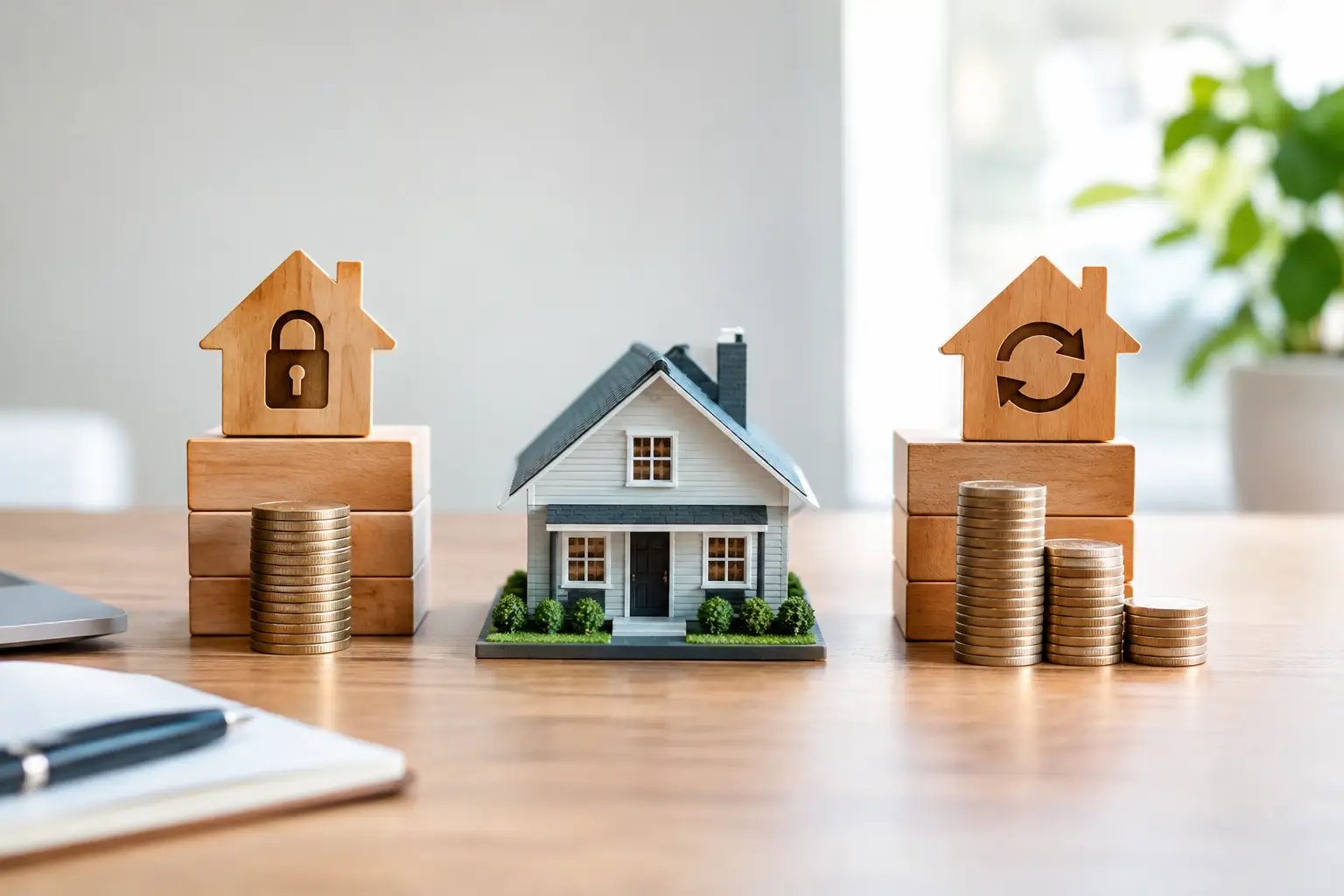
A mortgage rate lock is an agreement from your lender to hold a specific interest rate for a defined period while your loan is processed. Most locks also hold the associated pricing, which may include lender credits or discount points. If market rates rise during that window, your locked rate generally remains in place.
A lock is not the same as final loan approval. You still need to provide documentation, satisfy underwriting conditions, complete the appraisal, secure homeowners insurance, and avoid major financial changes before closing. The rate may also be subject to the details used to price the loan, including your credit profile, down payment, loan program, occupancy type, and property value.
The trade-off is straightforward. Locking protects you from rates moving higher, but it can prevent you from benefiting if rates fall - unless your lender offers a float-down option. Some loans and lenders also charge more for longer locks, so the goal is not automatically to choose the longest period available.
When Should Buyers Lock Rates?
In most cases, buyers should consider locking once they have an accepted offer, a lender-approved loan structure, and a monthly payment they are comfortable making. If the rate makes the purchase affordable today, locking often turns a moving target into a known number.
Trying to catch the lowest possible rate can be tempting, especially when rate headlines change daily. But mortgage pricing reacts quickly to economic reports, inflation data, Federal Reserve commentary, and broader market movement. A rate can improve one day and worsen the next without much warning. The cost of waiting is not just financial. It can also create stress when a closing date is approaching.
That does not mean every buyer should lock immediately. The better question is whether the payment, closing costs, and loan terms meet your goals now. If they do, certainty has real value. If the payment is still too high or the loan structure needs work, it may make sense to review alternatives with your lender before committing.
Lock early when the payment is already right
An early lock can make sense when your debt-to-income ratio is tight, your purchase depends on a specific monthly payment, or a rate increase would force you to bring more cash to closing. It is also worth considering if you are using a program with less room for changes in pricing, such as a low-down-payment loan or a loan that requires seller concessions to cover closing costs.
Buyers purchasing at the top of their approved range often benefit most from certainty. A modest increase in rate may not derail every loan, but it can change underwriting calculations or make the payment feel uncomfortably high after taxes, insurance, and association dues are included.
Consider waiting only with a clear reason
There are situations where a buyer may choose to float rather than lock. For example, a lender may be waiting for a key document that could improve pricing, or the buyer may be deciding whether paying points makes sense. A buyer with a flexible budget and plenty of time before closing may also be comfortable accepting some market risk.
That decision should be deliberate, not driven by a headline or a prediction that rates will drop next week. If you float, ask your lender what rate increase would change your payment and whether you are prepared for that outcome. A plan is more useful than a guess.
Match the Lock Period to Your Closing Timeline
The most common lock periods are 30, 45, and 60 days, although lenders may offer shorter, longer, or custom options. A shorter lock often costs less because the lender is taking on less market risk. A longer lock gives your transaction more room for appraisal, underwriting, title work, repairs, or scheduling delays.
The key is choosing a lock that is long enough for a realistic closing, not merely the date everyone hopes for. Ask your lender to explain the estimated time needed for your specific loan. A conventional loan with a straightforward file may move differently than an FHA, VA, jumbo, condominium, new-construction, or first-time buyer program.
In Washington, Waukesha, and Ozaukee Counties, a typical resale purchase can move efficiently, but no transaction is immune to delays. Appraisal scheduling, inspection negotiations, title questions, and seller-side logistics can all affect timing. If the lock expires before closing, an extension may be available, but it can cost money and is not something to assume away.
A 45-day lock can be a practical middle ground when the contract calls for a standard closing but the timeline has little cushion. A 60-day lock may be worth considering if the deal involves a complex property, a busy lending period, a seller who needs additional time, or a contingency that could slow the process. Your lender should quote the difference in cost so you can decide whether the added protection is worthwhile.
Questions to Ask Before You Commit
A rate lock should be documented clearly. Before you say yes, ask your lender to walk through the terms in plain language. Confirm the locked interest rate, annual percentage rate, discount points or lender credits, lock expiration date, estimated closing date, and whether the lock is tied to a specific loan program and property type.
Also ask what happens if rates improve. A float-down feature can allow you to access a lower rate under certain conditions, but the rules vary. It may require a meaningful market improvement, come with a fee, be available only once, or apply only within a set number of days before closing. Do not assume a float-down is included simply because another lender offers one.
It is equally useful to ask what could cause your pricing to change despite a lock. A lower-than-expected appraisal, a change in loan amount, a shift in credit score, a new debt payment, or a change from owner-occupied to investment use can all affect the final terms. The best way to protect a locked loan is to keep your finances steady until closing. Avoid opening new credit, financing furniture or a vehicle, changing jobs without consulting your lender, or moving large sums of money without a clear paper trail.
Do Not Let Rate Timing Distract From the Home Itself
Rate decisions deserve attention, but they should not overshadow the larger purchase. The right home should fit your location needs, condition expectations, long-term plans, and overall budget. A slightly lower rate does not make an overpriced or poorly matched property a better decision.
Buyers also have more than one way to manage affordability. Depending on the offer and market conditions, options may include negotiating seller-paid closing costs, using lender credits, selecting a different loan term, adjusting the down payment, or considering whether temporary or permanent rate buydowns fit the plan. Each option has costs and trade-offs, so compare the full picture rather than focusing only on the note rate.
A strong buying strategy brings your real estate agent and lender into the conversation early. Your agent can help you understand contract deadlines, local market pressure, and how financing terms may affect the strength of an offer. Your lender can explain the payment and risk behind each lock decision. At Homes by Stallings, that coordination is part of helping buyers make decisions without unnecessary surprises.
The best time to lock is often the moment the loan terms support a home you are genuinely ready to own. Once the payment works and the closing timeline is clear, protecting that certainty can be more valuable than waiting for a perfect rate that may never arrive.
Recent Posts







GET MORE INFORMATION