
Waukesha County Market Review for Buyers and Sellers

A home can receive multiple offers in one Waukesha County neighborhood while a similar property a few miles away sits longer and requires a price adjustment. That is why a useful Waukesha County market review has to look beyond a countywide headline. Buyers and sellers need to understand what is happening with homes like theirs, in the communities they are considering, at their price point.
For homeowners, the question is rarely just whether prices are up or down. It is whether their property will stand out, what preparation will pay off, and how to set a price that attracts serious buyers without leaving opportunity on the table. For buyers, the focus is different: where competition is strongest, where negotiating room may exist, and how to make a confident offer without overreaching.
Waukesha County Is Not One Market
Waukesha County offers an unusually broad range of residential choices. Established neighborhoods, lake communities, newer subdivisions, walkable downtown areas, acreage properties, condos, and luxury homes all operate on different timelines. A broad county median can be useful context, but it cannot tell a seller how a renovated colonial in Brookfield will compete or help a buyer gauge a ranch home in Muskego.
Communities such as Waukesha, Brookfield, New Berlin, Pewaukee, Oconomowoc, Delafield, Menomonee Falls, Mukwonago, and Sussex each draw buyers for different reasons. Commute patterns, school preferences, housing age, lot size, access to lakes and parks, and proximity to shopping or village centers can all influence demand.
The practical takeaway is simple: comparable sales need to be genuinely comparable. The most relevant data usually comes from nearby homes with a similar style, condition, size, location, and sale date. A house near a busy road, a property with a finished lower level, or a home within walking distance of a desirable amenity may not perform like another home with the same bedroom count.
What Is Shaping Buyer Demand
Inventory remains one of the most important forces in residential real estate. When buyers have fewer well-presented homes to choose from, properties that are priced appropriately and move-in ready tend to receive the strongest attention. When more options enter the market, buyers can become more selective and sellers need a sharper strategy.
Interest rates also affect the conversation, but not always in the way headlines suggest. Rates influence affordability and monthly payments, especially for first-time and move-up buyers. At the same time, many households still need to move because of a new job, a growing family, a downsizing decision, or a change in lifestyle. Those real-life triggers do not disappear when financing costs shift.
Condition matters more when buyers are watching their budgets closely. A home with an updated kitchen is not automatically worth any asking price, but clean presentation, sound maintenance, and clear value can reduce buyer hesitation. Properties that need major work can still sell well when priced honestly and marketed to the right audience. The trade-off is that buyers may build renovation costs, time, and uncertainty into their offers.
The Move-In-Ready Premium
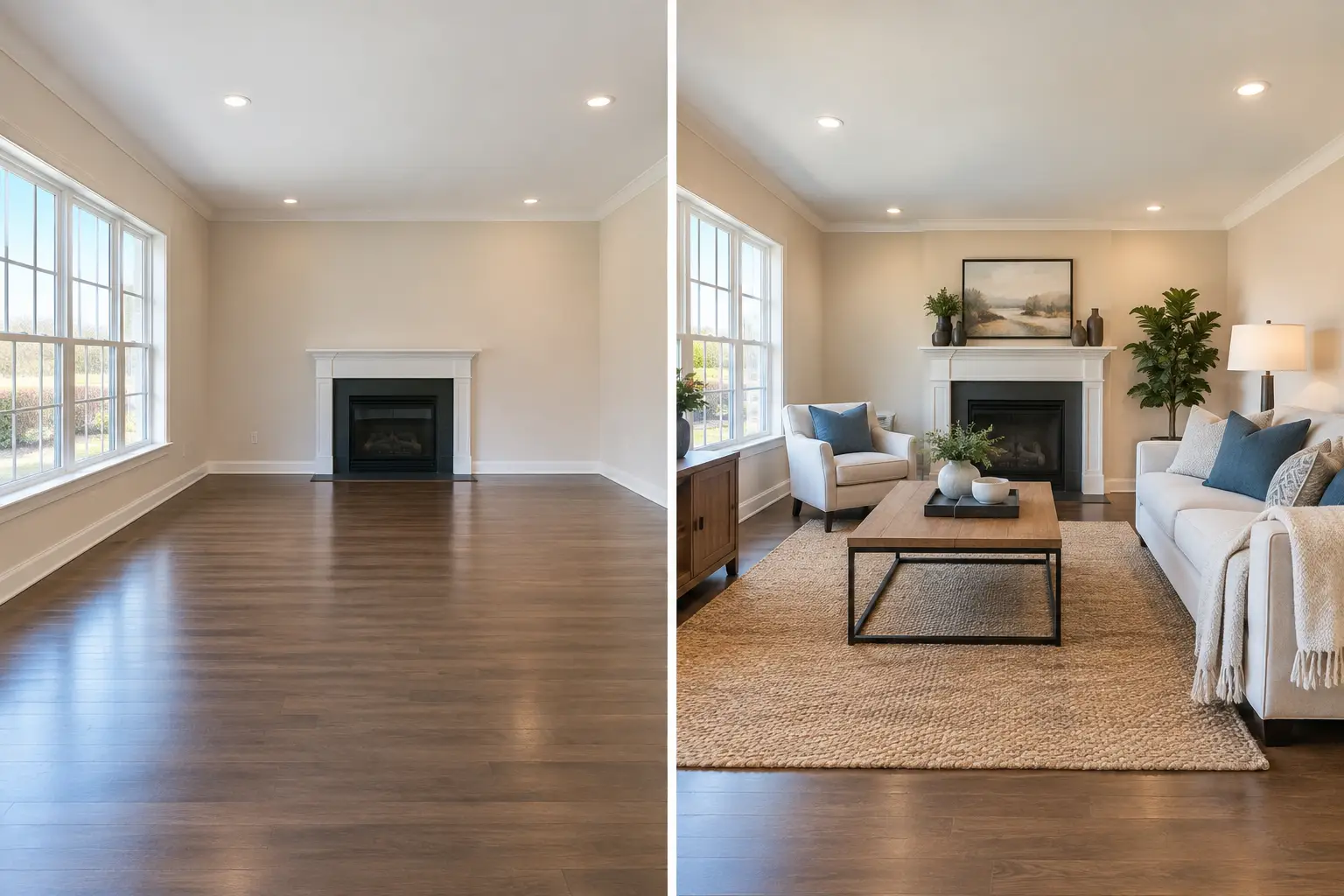
Many buyers are balancing a purchase with work schedules, family commitments, and the rising cost of repairs and improvements. For that reason, homes that feel ready on day one can command stronger interest. Fresh paint, functional systems, thoughtful staging, and a polished online presentation often make a meaningful difference.
That does not mean every seller should remodel before listing. Large projects do not always return their full cost, particularly when the choices are highly personal. Targeted improvements usually have a clearer purpose: address visible deferred maintenance, brighten key rooms, improve curb appeal, and remove distractions that keep buyers from seeing the home itself.
A Waukesha County Market Review for Sellers
The strongest listing strategy begins before the sign goes in the yard. Pricing should reflect current competing homes as well as recent sales, because buyers compare both. A home can be supported by impressive past sales and still struggle if active listings offer better condition, more space, or a more appealing setting at a similar price.
An accurate price creates momentum. If a property enters the market too high, the first buyers through the door may decide to wait, assuming it will come down. Once a listing has been overlooked, a later reduction may not recreate the attention it could have earned at launch. On the other hand, pricing too aggressively below the market without a deliberate strategy can create unnecessary uncertainty for a seller.
Preparation should be proportional to the home and likely buyer. For a well-kept family home, decluttering, cleaning, minor repairs, and professional presentation may be the highest-value steps. For an estate sale or a property needing significant updates, the better path may be transparency about condition and a price that recognizes the work ahead.
Sellers should also plan for the full offer, not just the top number. Financing terms, inspection contingencies, appraisal exposure, closing date, and the buyer's flexibility can materially change the strength of an offer. The best result is often the offer with the clearest path to closing, not simply the highest initial price.
What Buyers Should Watch Closely
Buyers benefit from a clear definition of their priorities before they start touring. In a competitive segment, it helps to distinguish non-negotiables from preferences. Location, budget, bedroom count, and functional layout may be essential. Paint colors, light fixtures, or landscaping can often be changed later.
A strong pre-approval is more than a box to check. It clarifies a comfortable payment range and shows sellers that a buyer is prepared. Buyers should also leave room in their planning for taxes, insurance, maintenance, and any improvements they expect to make after closing. The maximum loan approval is not always the right purchase budget.
When a desirable home comes to market, speed should not replace care. Review disclosures, understand the home's condition, and consider how the property compares with recent sales. A competitive offer can include favorable terms, but buyers should be cautious about waiving protections they do not fully understand. The right approach depends on the property, the level of competition, and the buyer's tolerance for risk.
Where Negotiation May Still Be Possible
Not every Waukesha County home produces a bidding war. Homes that are overpriced, have limited appeal, require substantial updates, or have been available longer may offer more room for negotiation. Seasonal timing can matter as well. A buyer searching during a quieter period may face fewer competing offers, though the selection of homes may also be smaller.
Negotiation is not limited to price. Closing dates, seller-paid costs, included personal property, repair credits, and inspection terms can all help bridge a gap. The key is to identify what matters most to both sides rather than treating every transaction as a single-number contest.
Local Knowledge Changes the Decision
Online estimates and broad market reports can start a conversation, but they cannot walk through a home, assess its setting, or recognize the details buyers notice during a showing. They also cannot account for the difference between two blocks, two school boundaries, or two properties with very different upkeep.
For sellers, a local evaluation should answer specific questions: Which homes will buyers compare against yours? What improvements are worth completing? How should the home be positioned at launch? For buyers, local guidance should make the search more efficient by identifying neighborhoods and property types that fit both current needs and long-term plans.
Homes by Stallings approaches these decisions with the understanding that a home sale or purchase is personal, financial, and highly local. Market data matters, but the best decisions come from applying that data to a client's actual property, goals, timeline, and comfort level.
Timing Matters, but Strategy Matters More
Spring often brings more activity, more listings, and more buyer attention. That can be an advantage for sellers, but it also means more competition. A well-positioned listing can succeed in other seasons when available inventory is lower and motivated buyers are still searching.
Buyers should not assume they need to wait for a perfect market either. Waiting may produce more choices, or it may mean facing different rates, prices, and competition later. The right timing depends on personal readiness, financial comfort, and the specific opportunities available now.
The most useful next step is not trying to predict every market shift. It is getting a property-specific or search-specific view of Waukesha County, then making a plan that gives you room to act with confidence when the right moment arrives.
Recent Posts








GET MORE INFORMATION