
Existing Home Versus New Construction: Which Is Right?
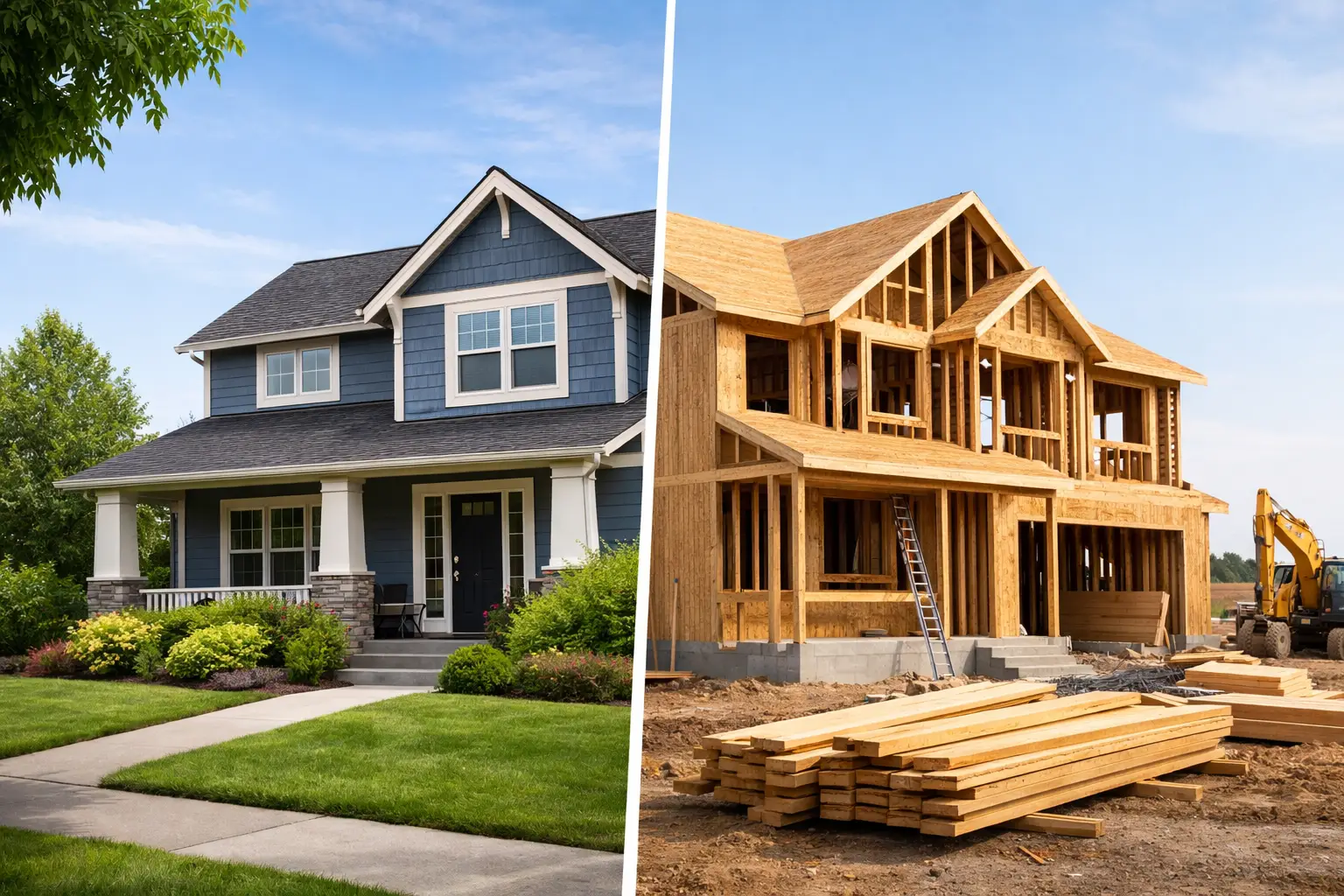
A home that looks perfect on paper can feel very different once you account for the commute, the budget, the timeline, and the work waiting after closing. The decision between an existing home versus new construction is not simply old versus new. For buyers in Washington, Waukesha, and Ozaukee Counties, it often comes down to choosing between an established lifestyle now and a more customized home later.
Both paths can be smart. The better choice is the one that protects your budget, supports your daily life, and leaves room for the next stage of your family or financial plan.
Existing Home Versus New Construction: Start With Priorities
An existing home usually offers a known quantity. You can walk the neighborhood, see the mature trees, assess traffic patterns, and understand how the house functions before making an offer. In many Southeast Wisconsin communities, existing homes also place buyers closer to established downtown areas, schools, parks, and daily conveniences.
New construction offers a different kind of certainty. You may select finishes, build for current needs, and benefit from newer systems, energy-efficient features, and a builder warranty. If your household needs an open kitchen, a first-floor office, wider hallways, or a particular garage layout, building can eliminate compromises that are common in resale homes.
The first question is not, “Which is better?” It is, “What compromises can we comfortably make?” A buyer who needs to move before a school year begins may value an existing home’s faster timeline. A buyer who has flexibility and a clear vision may find that new construction is worth the wait.
What the Purchase Price Does Not Tell You
The advertised price is only the beginning of the financial comparison. Existing homes and new construction create different costs, and both deserve a careful review before you commit.
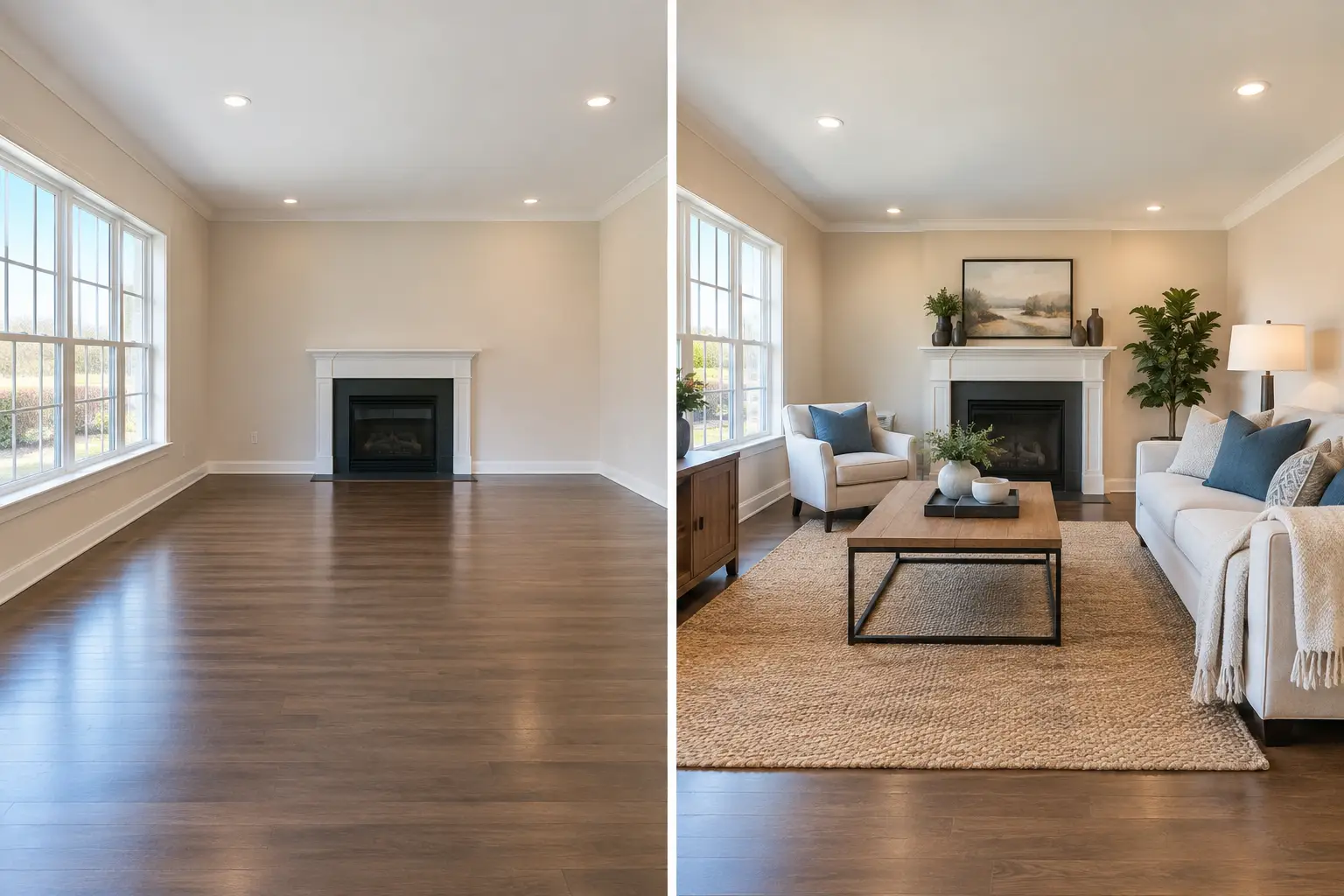
With an existing home, buyers may need to budget for inspections, immediate repairs, cosmetic updates, appliances, a roof nearing the end of its life, or deferred maintenance that becomes apparent after closing. A well-maintained home can limit these expenses, but no home is maintenance-free. Even a move-in-ready property may need paint, window treatments, landscaping adjustments, or furniture that fits a different floor plan.
New construction can reduce near-term repair concerns, but it can also come with expenses that are easy to overlook. The base price may not include the lot premium, upgraded flooring, countertops, lighting, appliances, landscaping, a deck or patio, window coverings, or a finished basement. In some developments, homeowners association fees and special assessments may also affect the monthly budget.
Ask for a complete estimate rather than relying on a model home or base-price brochure. Model homes often display upgraded finishes that materially change the final cost. A builder’s representative can explain options, but a buyer should still have independent guidance focused on the buyer’s interests.
Consider monthly ownership costs
Property taxes, insurance, utility costs, and maintenance shape affordability long after closing. A newer home may have lower energy costs and fewer repairs in its early years. An existing home may have lower taxes than a recently built property in the same general area, although this depends on the municipality, assessment, and sale price.
The most useful comparison is not just purchase price to purchase price. Compare the estimated monthly payment, anticipated improvement costs, and the cash needed at closing for each option.
Location Often Decides the Question
In real estate, location is not a slogan. It determines how a home fits your actual life.
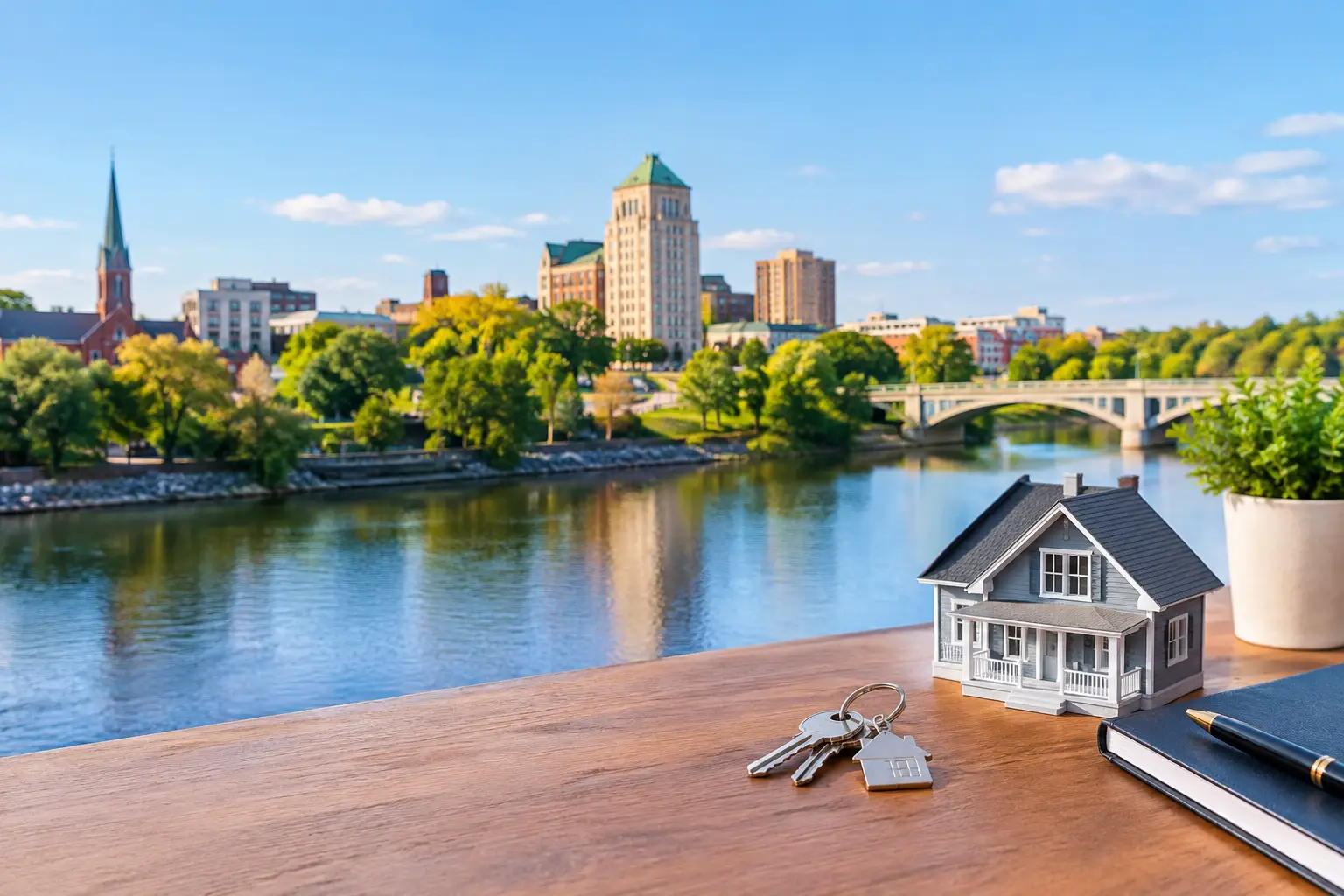
Established neighborhoods in communities such as Germantown, Menomonee Falls, Brookfield, Mequon, West Bend, and nearby areas may offer mature landscaping, larger trees, neighborhood character, and convenient access to amenities. Existing homes can also provide more choices in locations where new lots are limited or unavailable.
New construction is often located at the edge of growing communities or within newer subdivisions. That may mean a shorter drive to certain employers, newer roads and infrastructure, or a neighborhood filled with homes built around the same time. It can also mean ongoing construction nearby, less mature landscaping, and a longer drive to established retail or entertainment areas.
Neither setting is automatically superior. Visit at different times of day. Drive the route to work, school, childcare, and the places you visit most. Look beyond the house to understand the rhythm of the neighborhood.
Timing and Flexibility Matter More Than Buyers Expect
An existing home can often close in 30 to 60 days, depending on financing, inspections, negotiations, and the seller’s timeline. That makes resale homes a practical choice for buyers with a lease ending, a relocation date, or a home to sell.
A completed new-build home, often called a spec home, can provide a faster route than starting from scratch. However, a semi-custom or fully custom build can take many months and sometimes longer. Weather, permit timing, labor availability, material delays, and change orders can all affect the schedule.
For buyers who need certainty around a move date, ask direct questions before signing a builder contract. What is the projected completion date? What conditions can extend it? What happens if the home is delayed? Where will you live if your current home sells before the new one is ready?
Flexibility also matters during the buying process. Existing-home buyers can negotiate based on inspection findings, appraisal results, closing dates, and market conditions. New-construction contracts may offer less room for negotiation, particularly when demand is strong. Builders may be more likely to hold firm on price while offering upgrades, financing incentives, or design allowances instead.
Condition, Inspections, and Warranties
A thorough inspection is valuable for any purchase. For an existing home, the inspection helps identify issues with the roof, foundation, electrical system, plumbing, heating and cooling, drainage, and more. It gives buyers information to negotiate repairs, request credits, or decide whether the home is still the right fit.
New construction should be inspected, too. A new home can have incomplete work, installation errors, grading concerns, or items that need adjustment before closing. An independent inspection before final walkthrough can help create a clear punch list while the builder is still responsible for completion.
Builder warranties are a meaningful benefit, but buyers should read them closely. Coverage periods vary, and a warranty does not necessarily cover every cosmetic concern, appliance, or maintenance issue. Understand what is covered, how claims are submitted, and which responsibilities belong to the homeowner.
Resale Value Is About More Than Age
Buyers sometimes assume that new construction will always have stronger resale value. Newness can be appealing, but resale performance depends on location, layout, condition, lot quality, school district, neighborhood demand, and the price paid at purchase.
An existing home in a desirable, established location can hold value exceptionally well, especially if it has a functional layout and has been maintained thoughtfully. On the other hand, a new home with a popular floor plan, quality finishes, and an attractive lot can appeal strongly to future buyers.
Be cautious about paying for every available upgrade solely because it feels luxurious today. Some upgrades improve daily enjoyment but may not return their full cost at resale. Focus first on lasting features that future buyers notice: a strong location, practical square footage, storage, bedroom count, lot placement, and a layout that works for a range of households.
How to Make a Confident Choice
A productive comparison starts with two realistic scenarios. Identify a few existing homes in the areas you would genuinely consider, then compare them with available spec homes or a builder’s estimated all-in price. Include the expected closing date, taxes, monthly payment, immediate projects, and the cash required beyond the down payment.
Do not let a beautiful model home make the decision for you, and do not dismiss an existing home because it needs cosmetic updates. Paint, lighting, and flooring can change. A difficult commute, a cramped lot, or a layout that does not support your household is harder to solve.
Homes by Stallings helps buyers evaluate these choices with the full picture in view, from neighborhood fit and resale considerations to contract details and practical ownership costs. The goal is not to steer you toward a particular type of property. It is to help you recognize the home that makes sense before the excitement of a showing or model tour turns into a commitment.
The right home should give you confidence on an ordinary Tuesday, not just excitement on closing day. Take the time to compare the trade-offs honestly, and let your priorities lead the decision.
Recent Posts







GET MORE INFORMATION