
What Repairs to Make Before Selling a House
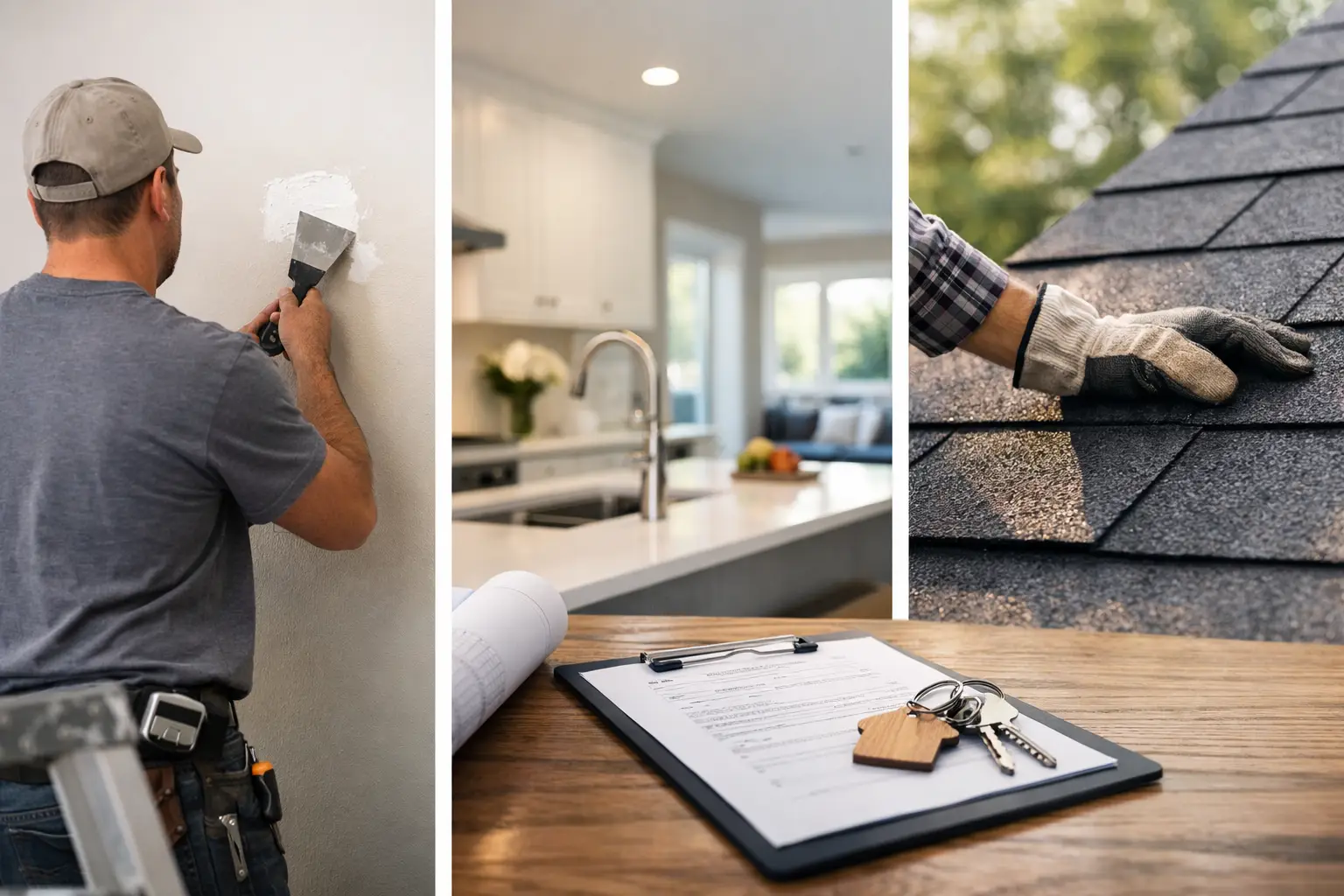
A loose handrail, a water stain beneath the kitchen sink, or a furnace that has not been serviced in years can change a buyer's impression of an otherwise well-kept home. When homeowners ask what repairs to make before selling a house, the best answer is rarely “renovate everything.” The right work is targeted: address issues that raise questions, affect safety, or make buyers discount the home before they have even written an offer.
For sellers in Southeast Wisconsin, repair decisions should also reflect the property’s price range, neighborhood competition, and condition. A home does not need to look brand new to sell well. It does need to feel cared for, functional, and priced in line with its condition.
Start With Repairs That Can Stop a Sale
Some defects are more than cosmetic. They can appear in an inspection report, concern a lender or insurer, or cause buyers to wonder what else has been neglected. These are the repairs to handle first, even when the budget is limited.
Fix water, moisture, and roof concerns
Water issues are among the fastest ways to make buyers cautious. Repair active plumbing leaks, dripping faucets, loose toilet bases, slow drains, and visible water damage. If there is staining on a ceiling or wall, identify and correct the source before painting over it. A fresh coat of paint on an unresolved leak does not hold up under inspection.
The roof deserves the same attention. Missing shingles, damaged flashing, clogged gutters, and obvious soffit or fascia deterioration can signal a larger expense ahead. A roof does not always need replacement before listing, but sellers should address minor repairs and be prepared with clear information about the roof’s age and condition. In Wisconsin, where snow, ice, and freeze-thaw cycles are hard on exterior materials, buyers tend to look closely at these details.
Address electrical, heating, and safety issues
A home should feel safe the moment a buyer walks through it. Replace nonworking smoke and carbon monoxide detectors, secure loose handrails, repair damaged steps, and make sure exterior lights work. Correct visibly exposed wiring, broken outlet covers, and outlets that do not function.
Heating and cooling concerns can carry more weight than sellers expect. If the furnace is due for routine service, schedule it before the home goes live. Change filters and keep service records available when possible. An older system is not automatically a problem, especially in an older home, but a neglected system can become a negotiating point.
Repair obvious structural or exterior defects
Buyers may accept an older foundation, driveway, or deck, but they are less comfortable with visible deterioration that suggests risk. Repair loose deck boards, unstable railings, broken window panes, deteriorated caulk around windows and doors, and damaged siding. If a foundation crack appears new, wide, or actively leaking, seek professional guidance rather than guessing at a cosmetic fix.
The goal is not to conceal every sign of age. It is to make sure the home is sound, safe, and honestly presented.
What Repairs to Make Before Selling a House for Better First Impressions
Once the major concerns are handled, focus on the smaller repairs buyers notice during a showing. These improvements usually cost less than major remodeling, yet they can make the entire property feel more move-in ready.
Walk through the home as if you were seeing it for the first time. Look for sticky doors, cracked switch plates, loose cabinet pulls, torn screens, burned-out bulbs, chipped trim, and worn caulk in bathrooms. Each item may be minor on its own. Together, they can create an impression that the home will require more work than it actually does.
Fresh paint is often one of the strongest pre-sale investments when walls are heavily marked, painted in bold colors, or visibly worn. Choose clean, neutral colors that work with the home’s natural light. This is not about making every room beige. It is about helping buyers see the room itself instead of focusing on a highly personal color choice.
Kitchen and bathroom repairs deserve particular attention because buyers tend to examine these spaces closely. Repair dripping faucets, loose hardware, damaged grout, cracked tiles, and cabinet doors that do not close properly. If a vanity light is dated but functional, replacement may help. If the entire bathroom needs a full renovation, the decision becomes more market-specific.
Know When Not to Renovate
The most expensive project is not always the most profitable one. A complete kitchen remodel, new flooring throughout, or a high-end bathroom renovation may improve enjoyment for a homeowner who plans to stay. Before a sale, those projects can be difficult to recover dollar for dollar.
It depends on the home and its competitive set. If nearby homes at a similar price all offer updated kitchens and yours has severely worn cabinets, dated counters, and failing appliances, a focused update may be worthwhile. That might mean painting cabinets, replacing hardware, installing a new faucet, and updating a damaged countertop rather than rebuilding the entire room.
Likewise, do not replace flooring simply because it is not the newest style. Professionally cleaned carpet in good condition may be enough. Hardwood floors may only need refinishing in high-traffic areas. The question is whether the current condition distracts buyers, limits the likely sale price, or makes the home harder to compare favorably with competing listings.
Major repairs should be considered carefully when the home will be sold as-is, when a buyer is likely to renovate anyway, or when local pricing will not support the investment. In those cases, accurate pricing and straightforward disclosure can be more effective than rushing into a project with uncertain returns.
Let the Market and Price Point Guide the Scope
A starter home, a well-maintained family home, and an upper-end property do not carry the same buyer expectations. Buyers shopping at a higher price point may expect updated finishes and polished presentation. Buyers seeking an older home with character may be more accepting of original details, provided the mechanical systems and structure are sound.
Look at homes currently competing for the same buyers, not just recent sales. Are they turnkey? Are they updated but modest? Are they priced to reflect needed work? This comparison helps distinguish a repair that protects your value from an upgrade that may overimprove the property.
A local real estate professional can help prioritize work before money is spent. At Homes by Stallings, that conversation begins with the property’s condition, likely buyer pool, and neighborhood position, not a generic checklist. The best plan is specific to the home in front of you.
Prepare for the Inspection Before the Inspector Arrives
A pre-listing inspection is not necessary for every seller, but it can be useful when a home is older, has deferred maintenance, or is likely to raise questions about major systems. It gives the seller an opportunity to repair issues on their own timeline and avoid surprises after an offer is accepted.
Even without a formal pre-listing inspection, sellers can prepare. Make sure the attic, electrical panel, furnace, water heater, sump pump, and crawlspace are accessible. Replace burned-out bulbs so rooms and fixtures can be evaluated. Gather receipts for recent roof work, mechanical service, appliance repairs, and improvements. Documentation does not eliminate a buyer’s concerns, but it can provide reassurance that the home has been maintained.
Avoid trying to hide defects. A covered stain, blocked access panel, or rushed patch often creates more concern than the original issue. Buyers are generally more comfortable with a known repair that was handled properly than a problem that appears concealed.
Use a Simple Repair Priority Test
Before approving any project, ask three questions: Does this affect safety or function? Will a buyer notice it immediately? Is the likely return stronger than reducing the price later or offering a credit after inspection?
If the answer is yes to the first question, repair it. If the answer is yes to the second, it is usually worth addressing if the cost is reasonable. If the answer rests on resale value alone, compare the project against the home’s price range and the condition of local competition.
The strongest pre-sale repair plan is not the longest one. It is the one that lets buyers focus on the home’s best features instead of calculating their next weekend project. Start early, make practical choices, and leave room in the budget for the details that help a buyer feel confident saying yes.
Recent Posts










GET MORE INFORMATION