
How to Tour Homes Strategically Before You Buy
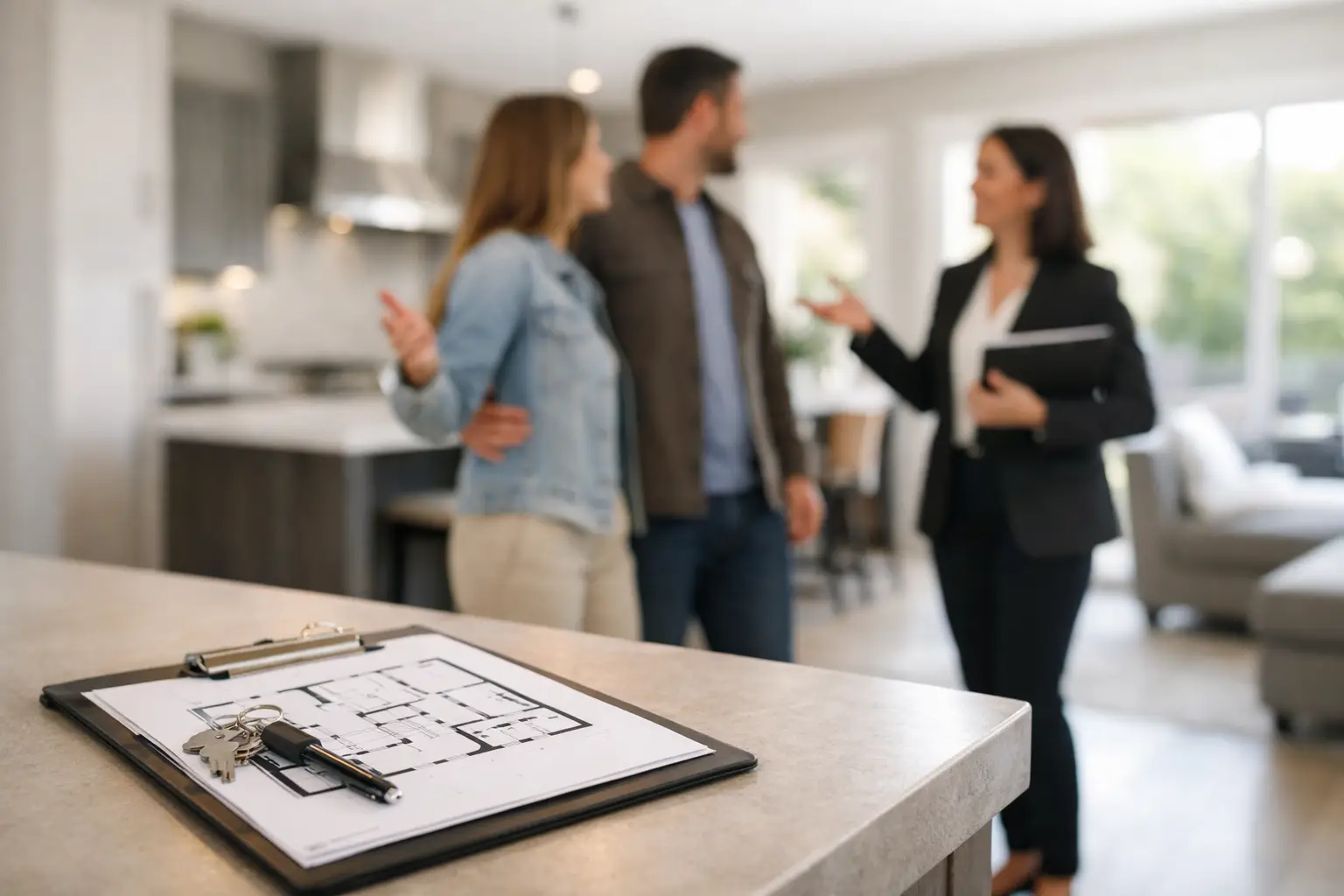
A home can make a powerful first impression in the first 30 seconds. Fresh paint, bright windows, and a well-staged kitchen can make it easy to picture your life there. But knowing how to tour homes strategically means looking beyond the feeling of the moment and gathering the information you will need to make a sound decision.
For buyers in Washington, Waukesha, and Ozaukee Counties, that matters even more in a market where the right home may attract attention quickly. A thoughtful tour helps you separate a house that photographs well from one that truly fits your budget, routines, and long-term plans.
Prepare Before You Step Inside
The most productive home tours begin before the showing. Review the listing carefully, including the property taxes, age of major systems, square footage, lot size, disclosures, and any recent updates. A newer roof may be a meaningful advantage, but it does not automatically make a home the better value if the layout, location, or mechanical systems create other concerns.
Be clear about your non-negotiables before you visit. A family that needs four bedrooms, a first-floor office, and a manageable commute should not let an attractive finished basement distract from a floor plan that will not work day to day. The same is true for buyers who need a level entry, a fenced yard, extra garage space, or a specific school district.
It helps to create three simple categories: needs, strong preferences, and features that would be nice to have. Keep the needs list short. If everything is a must-have, it becomes difficult to recognize a practical compromise when you see one.
Also, look at the map rather than relying only on a neighborhood label. Consider the route to work, schools, grocery stores, parks, and the places you visit most often. In Southeast Wisconsin, a few miles can change the feel of the area, property tax levels, road noise, and winter driving routine.
How to Tour Homes Strategically During a Showing
Arrive with a purpose. Rather than moving from room to room at the pace of the group, use the first pass to understand the layout and the second pass to inspect the details. You do not need to act like a home inspector at a showing, but you do need to notice what affects livability, maintenance, and future cost.
Start outside. Look at the home's setting from the street and the backyard, not just the front entry. Is the driveway steep or narrow? Does the lot drain toward the house? Are nearby homes very close? Is there traffic, a commercial property, or a busy road behind the yard? These are factors you cannot renovate away later.
Inside, pay attention to the way the home functions. Picture an ordinary Tuesday morning, not a holiday gathering. Where will shoes, backpacks, coats, pet supplies, and groceries go? Can two people use the kitchen at once? Is there enough privacy for work, guests, or growing children? A beautiful room that creates daily friction is rarely a minor issue.
Then use your senses. Look for water stains on ceilings, around windows, or near the foundation. Notice musty odors, uneven floors, doors that stick, and visible cracks. A single issue may have a straightforward explanation, especially in an older home. A pattern of deferred maintenance deserves closer attention and better questions.
Do not hesitate to open closets, check cabinet space, look under sinks, and test the flow between rooms. Ask whether the basement has ever had water intrusion, when the furnace and air conditioner were installed, and whether renovations were permitted. The goal is not to decide that a home is flawed. Every property has trade-offs. The goal is to understand which trade-offs are acceptable for you.
Look Beyond the Staging
Staging is designed to help a home show well, and there is nothing wrong with that. Still, buyers should mentally remove the furniture and décor. A small dining table can make a dining room feel larger than it is. Neutral paint can hide a room's awkward proportions. An empty corner may be where a radiator, utility access panel, or door swing limits your furniture placement.
Take a few practical measurements if a specific item must fit. Measure a primary bedroom wall for your bed, a garage bay for your vehicle, or a basement ceiling if that space will be used as a gym or playroom. Guessing is how buyers end up replacing furniture or living with an inconvenient layout.
Pay Attention to Light, Noise, and Condition
If possible, visit at different times of day before making an offer. Morning light can be very different from late-afternoon sun, and a quiet weekday showing may not reveal evening traffic or neighborhood activity. This is particularly useful for homes near major routes, schools, parks, rail lines, or commercial areas.
Condition should be evaluated in context. An older home with original woodwork, solid construction, and well-maintained systems may be a better fit than a newer home with cosmetic upgrades covering poor upkeep. Conversely, a lower-priced property that needs a roof, windows, flooring, and major mechanical work may not be the value it first appears to be.
Compare Homes While Your Memory Is Fresh
After several tours, homes can blur together. The blue kitchen becomes the house with the big yard, and the big yard becomes the one with the basement concern. Take notes immediately after each showing, preferably before you drive to the next one.
Use the same comparison points for every property: location, layout, condition, storage, lot, required updates, likely near-term expenses, and overall price. Add a short note about how the home felt, but do not let that be the only factor. Emotional connection matters because you should want to live there. It just needs to sit alongside the practical evidence.
Photos and short videos can help, where permitted, but written notes are more useful than a camera roll full of unlabeled rooms. Record specific observations such as “primary closet is too small,” “roof appears newer,” or “backyard faces a busy street.” Clear notes make it easier to compare homes fairly after the excitement of the day fades.
If you are touring with a spouse, partner, or family member, discuss each property separately before comparing impressions. One person may be focused on the kitchen while another noticed the commute or lack of storage. Those perspectives are both valuable, and early conversation can prevent a rushed decision later.
Ask Questions That Protect Your Budget
A showing is the right time to ask direct questions, even if all answers are not immediately available. Your real estate professional can help obtain disclosures, clarify property details, and follow up on concerns before you decide whether to write an offer.
Focus on questions that affect ownership, not just appearance. Ask about the age and condition of the roof, furnace, air conditioner, water heater, windows, and appliances. Find out whether there are homeowner association fees, private well or septic considerations, easements, shared driveways, or planned assessments. In some communities, property tax history and municipal services can significantly influence the true monthly cost of ownership.
It is also wise to ask why the seller is moving and how long the home has been on the market. Neither answer should determine your decision by itself. A seller's timeline may create an opportunity, but it can also have no connection to the home's quality or value. Context matters.
Know When to Return for a Second Tour
A second showing is not a sign of indecision. It is often the point when buyers move from first impressions to a more disciplined review. Return when a home is a serious contender, especially if you need to verify room sizes, assess storage, inspect outdoor space more closely, or bring someone whose opinion matters to the decision.
Use the second visit differently. Do not simply relive the excitement of the first. Stand quietly in key rooms. Check the view from the windows. Think through furniture placement and daily routines. Look again at the mechanical room, basement, garage, and exterior. Those areas often tell you more about care and maintenance than the staged living room.
A second tour also helps you decide whether your concerns are manageable or deal breakers. Replacing light fixtures or repainting cabinets is very different from accepting a location you do not enjoy, a layout that does not serve your household, or repairs that stretch your budget too far.
Keep the Offer Decision Grounded
The strongest offer is not always the highest number. It is the offer that reflects the home's value, the competition, your financing position, your risk tolerance, and the terms you can genuinely support. Touring strategically gives you the facts needed to make that decision without being carried entirely by urgency.
If a home checks most of your needs and its concerns are understood, do not wait for perfection that may not exist at your price point. If the concerns are fundamental, it is equally reasonable to walk away. The right home should feel promising, but it should also make sense after the showing ends and the practical questions begin.
A careful tour does more than help you choose a house. It helps you move forward with clarity, knowing you saw the property for what it is and chose it for the life you plan to build there.
Recent Posts








GET MORE INFORMATION