
Selling an Occupied Versus Vacant Home Successfully
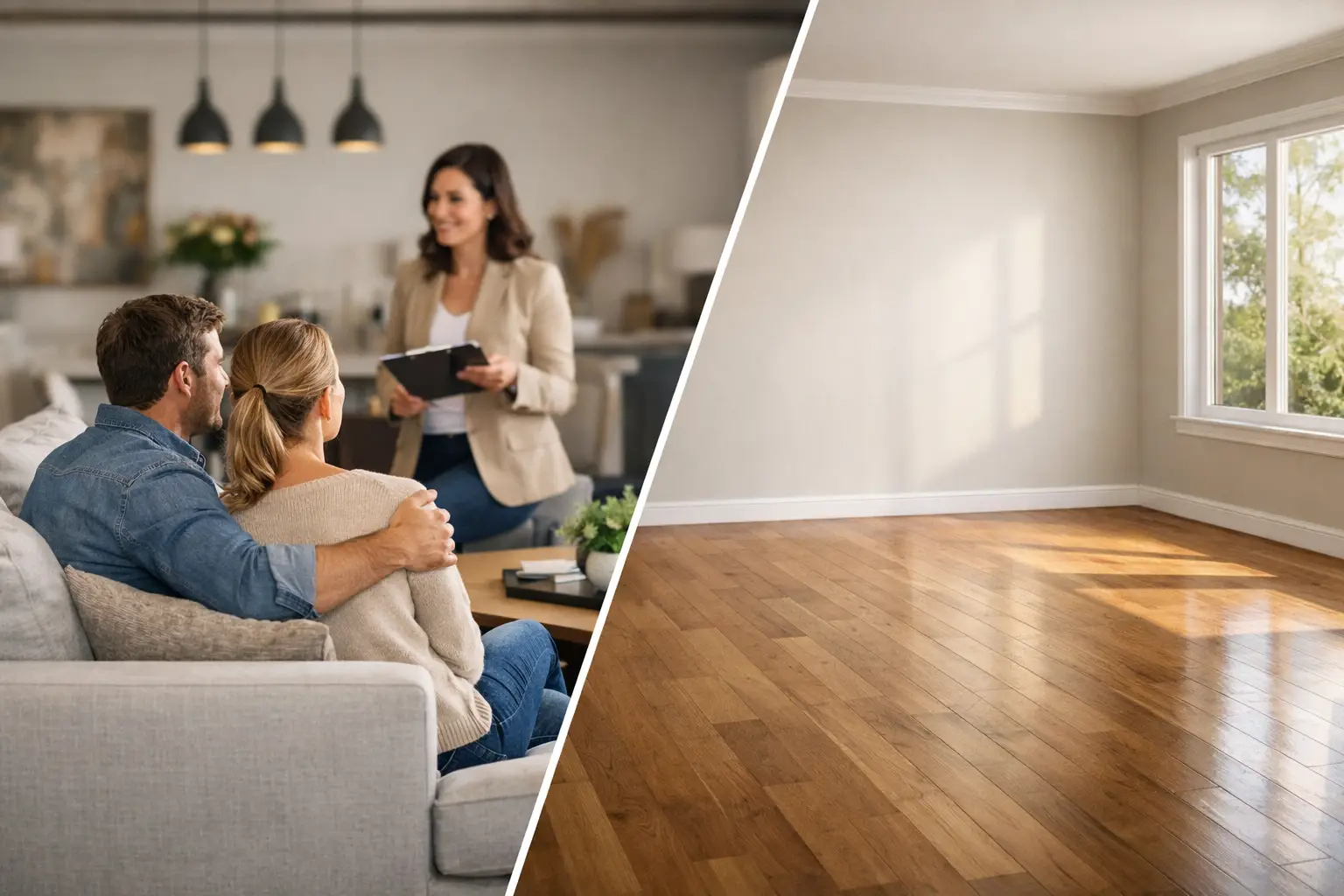
A home that is still being lived in tells buyers a story the moment they walk through the door. A vacant home gives them room to imagine their own. When deciding between selling an occupied versus vacant home, the better choice is rarely universal. It depends on your timeline, your home’s condition, your budget, and how buyers are responding in your Southeast Wisconsin market.
The goal is not simply to make the property look nice. It is to present a home that feels well cared for, photographs well, shows easily, and supports the strongest possible offer. Sometimes that means staying put through closing. Other times, moving out before the listing goes live creates a cleaner and more effective sale.
Selling an Occupied Versus Vacant Home: The Core Trade-Off
An occupied home offers warmth, scale, and daily-life context. Furniture can help buyers understand how a room functions, especially in spaces that are difficult to visualize, such as a formal dining room, a lower-level family room, or a compact bedroom. A lived-in property may also feel more welcoming than an empty one.
The trade-off is that buyers see your life along with the house. Overflowing closets, crowded countertops, pet items, personal photos, and a rushed morning routine can distract from the features you want them to notice. Even a beautiful home can show less effectively if it is difficult to access or needs constant preparation before every appointment.
A vacant home is easier to clean, easier to schedule, and easier to photograph without interruption. It can make updates, flooring, windows, and natural light more visible. Vacant properties are often especially practical when the seller has already relocated, when the home needs work, or when household schedules would make showings stressful.
But empty rooms can feel smaller than they are. Buyers may struggle to picture furniture placement, and a completely vacant home can appear neglected if the lawn, lighting, temperature, or cleanliness are not closely managed. The right decision comes down to which set of trade-offs you can manage best.
When Selling While Occupied Works Best
Remaining in the home can be a strong strategy when it is clean, well maintained, and lightly furnished. In many Washington, Waukesha, and Ozaukee County neighborhoods, buyers want to see how a home supports everyday family life. A thoughtfully arranged living room, dining area, or patio can help create that connection.
Occupied selling tends to work well when you can keep the home consistently show-ready. That does not mean living in a staged house for months. It means establishing simple routines before the listing launches: clear kitchen counters, limit visible storage, keep laundry contained, and have a plan for pets and last-minute showings.
Furniture should support the home, not fill it. Oversized sectionals, too many chairs, and packed bookcases can make a room feel tight. Removing a few pieces often has more impact than adding decor. The same is true of closets, cabinets, and the garage. Buyers open doors, and available storage is a meaningful selling point.
An occupied home also benefits from evidence of care. Fresh towels, working light bulbs, a tidy entry, and clean windows quietly communicate that the property has been maintained. These details do not replace necessary repairs, but they shape buyer confidence from the first showing.
The showing reality of an occupied home
Convenience matters. If a buyer cannot see a desirable home when they are available, they may move on to the next option. Sellers who remain in the property should expect some disruption, particularly in the first one to two weeks after launch, when interest is often highest.
A clear showing plan helps. Decide where you will go during appointments, how much notice you need, and how pets will be handled. If certain times are truly unavailable, be honest about them, but avoid overly restrictive access. Strong pricing and presentation can generate interest, yet limited availability can reduce the number of buyers who experience the home in person.
When a Vacant Home Is the Better Choice
Vacating the property may make sense if you have already purchased another home, relocated for work, or need to complete repairs without managing a household at the same time. It is also worth considering when the home is cluttered, dated, or difficult to show around children, pets, or a demanding schedule.
For homes that need cosmetic work, vacancy can make the opportunity clearer. Buyers can focus on the floor plan, lot, and potential rather than looking past personal belongings. Contractors can also complete painting, flooring, cleaning, and touch-ups more efficiently when the home is empty.
Vacancy is not automatically an advantage, though. Empty homes need active care. During Wisconsin’s colder months, heat must be maintained and the property checked regularly. During warmer months, lawns, landscaping, and exterior upkeep cannot be ignored. A vacant home with dead porch lights, uncollected mail, or an untrimmed yard can create concerns before a buyer ever steps inside.
Security deserves attention as well. Use timers for interior lights, secure valuables, monitor the property, and make sure the home does not look abandoned. Your insurance provider may also have specific requirements for a vacant property, so confirm coverage before you move out.
Staging can bridge the gap
If an empty home feels too stark, selective staging can be a smart middle ground. You do not always need to furnish every room. Staging the main living area, primary bedroom, dining space, and key outdoor area can help buyers understand scale and lifestyle while keeping costs more controlled.
Virtual staging can improve online images, but it should be used carefully and disclosed appropriately. Buyers should not be surprised when they enter the property. Physical staging remains more persuasive for rooms where layout and proportions are central to the buying decision.
Consider the Financial Side Before You Decide
The cost of moving out early can include temporary housing, storage, moving expenses, utilities, lawn care, snow removal, insurance considerations, and staging. Those costs should be weighed against the possible benefit of easier showings and a more polished presentation.
Staying in the home saves on some of those expenses, but it can have its own costs. You may need deep cleaning, storage, minor repairs, and perhaps a pre-listing consultation to make the space show well. You also need to consider the personal cost of keeping a home ready while managing work, school, and family commitments.
Do not assume a vacant home will command a higher price simply because it is empty, or that an occupied home will sell for less because people live there. Buyers respond to condition, pricing, location, presentation, and competition. A well-prepared occupied home can outperform a poorly maintained vacant one every day of the week.
Let the Home and Market Guide the Strategy
Start with the home itself. Is it move-in ready? Does the furniture help define the rooms? Are there repairs that would be simpler to complete after moving out? Then look at the likely buyer. A turnkey family home may benefit from a lived-in, welcoming presentation. A property being sold after an estate transition or major relocation may be better handled as a vacant listing with careful staging and property oversight.
Local inventory also matters. When buyers have few choices, broad access and strong presentation can create urgency. When competing listings are plentiful, every detail becomes more important, from professional photography to a clean, easy-to-show experience. Pricing should reflect the market and condition, not a hope that vacancy or occupancy alone will change the outcome.
Before making a move, walk through the property as a buyer would. Notice what catches your eye at the front door, what feels crowded, which repairs stand out, and whether each room has a clear purpose. That candid review usually makes the path forward much clearer.
The best selling plan should fit your real life as well as your property. Whether you remain in the home or move out before listing, thoughtful preparation and responsive guidance give buyers a reason to feel confident when they picture themselves living there.
Recent Posts










GET MORE INFORMATION