
Moving From Renting to Owning: When It Fits
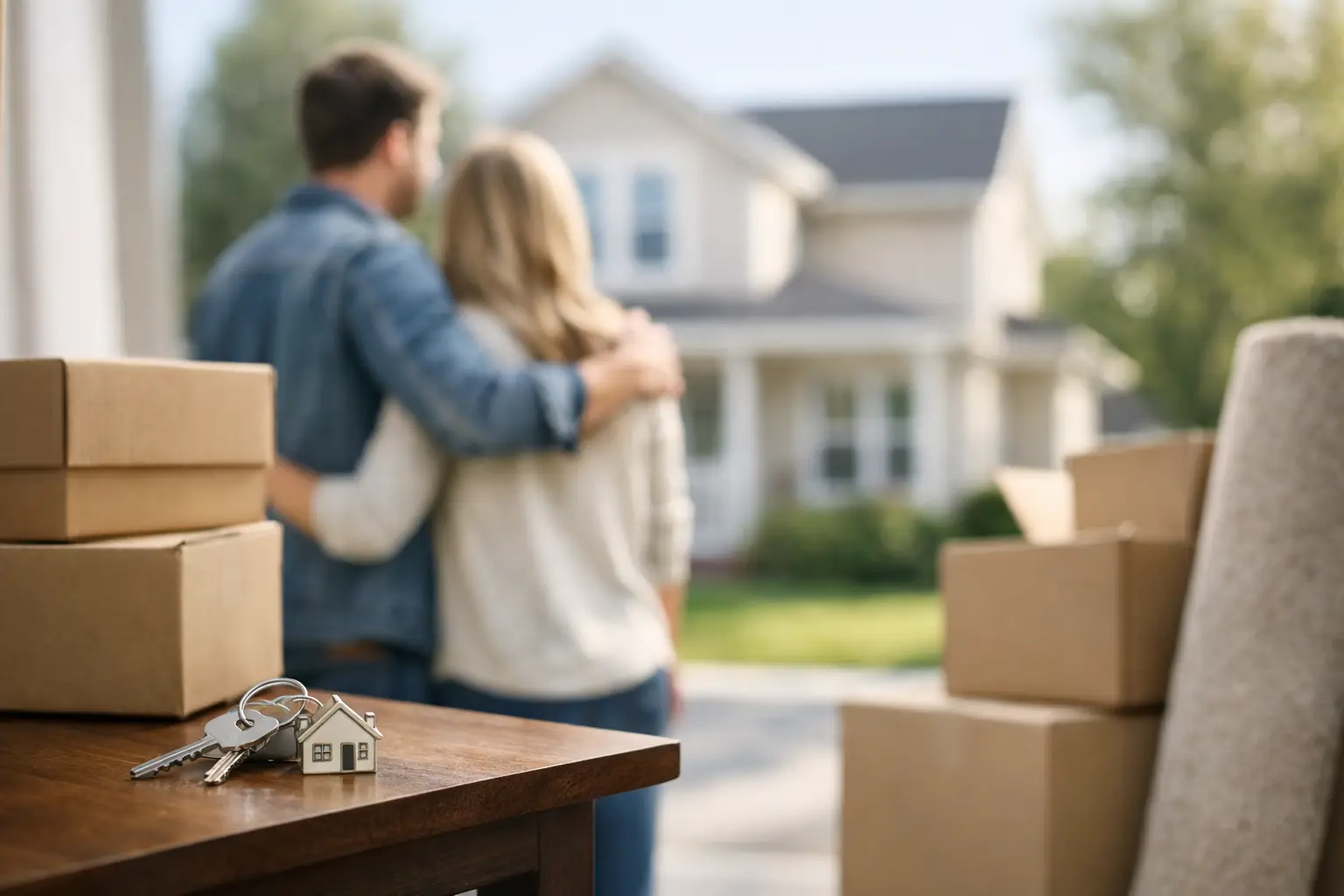
That moment usually starts small. Your rent goes up again, your lease renewal lands in your inbox, or you walk through an open house and realize the monthly payment may not be as far off as you thought. For many buyers in Southeast Wisconsin, moving from renting to owning is less about chasing a milestone and more about wanting stability, control, and a place that feels like it is truly theirs.
Still, buying a home is not automatically the better choice just because renting feels frustrating. The right move depends on your finances, timeline, lifestyle, and the realities of the local market. A smart purchase should strengthen your position, not stretch it to the breaking point.
Moving from renting to owning starts with the right question
The question is not simply, "Can I buy?" It is, "Should I buy now, in this market, with this budget, for this stage of life?"
That shift matters. A renter may be approved for a mortgage and still not be in a strong position to own. Approval tells you what a lender may allow. Readiness is broader. It includes whether you can handle repairs, whether you plan to stay put long enough to make the costs worthwhile, and whether your monthly payment leaves room for normal life.
Owning comes with benefits that renting cannot always match. You can build equity over time, make decisions about your space without asking a landlord, and create more predictability if you choose a fixed-rate mortgage. But the trade-off is responsibility. If the furnace stops working in January, there is no maintenance portal to submit a request.
For first-time buyers especially, that trade-off deserves an honest look.
What changes financially when you buy
One of the most common mistakes renters make is comparing rent only to principal and interest on a mortgage. The true monthly picture is bigger than that.
A homeowner payment usually includes principal, interest, property taxes, homeowners insurance, and sometimes private mortgage insurance if the down payment is smaller. Depending on the property, there may also be HOA dues. Then there are the costs that do not show up neatly in a lender estimate, such as maintenance, seasonal upkeep, and the occasional repair that arrives at the worst time.
That does not mean buying is too expensive. It means the comparison needs to be realistic.
In many parts of Washington, Waukesha, and Ozaukee Counties, buyers find that the cost of ownership can be competitive with rent, especially when they have strong credit and a solid down payment strategy. But a home that looks affordable on paper can still feel stressful if it leaves no room for savings, travel, child care, or the ordinary surprises of life.
A good target is not the highest number you can technically qualify for. It is the payment you can live with comfortably.
Your cash needs go beyond the down payment
Renters often focus on saving for a down payment and overlook the rest. Closing costs, moving expenses, utility setup, prepaid taxes and insurance, and immediate purchases for the home all add up quickly.
Some buyers move in and realize they still need window treatments, a lawn mower, appliances, or simple fixes that were easy to ignore during the excitement of the search. That is why cash reserves matter. Buying a home is smoother when you are not draining every available dollar to get to the closing table.
If your savings would be wiped out by purchasing, waiting a bit longer may be the stronger decision.
How to tell if owning fits your life right now
The financial side gets most of the attention, but timing is just as important.
If you may relocate for work in a year, buying may not give you enough time to recover upfront costs. If your household size is likely to change quickly, the home that fits today may not fit for long. If you are still paying off high-interest debt or rebuilding credit, there may be value in strengthening your foundation before adding a mortgage.
On the other hand, if you want more control over where you live, expect to stay in the area for several years, and have the income to support ownership without strain, buying can make a great deal of sense.
There is also a practical quality-of-life factor that matters. Some renters are ready because they want a yard, a garage, a dedicated home office, or simply the freedom to paint a wall without permission. Those goals are not trivial. Housing decisions are financial, but they are also personal.
Moving from renting to owning means understanding the local market
National headlines rarely tell you what your options look like street by street. Real estate is local, and the buying experience can vary sharply even between neighboring communities.
In Southeast Wisconsin, inventory, pricing, property taxes, and competition all shape what a first-time buyer can realistically expect. One buyer may find good value in a condo with lower exterior maintenance. Another may prefer a starter single-family home and accept that some cosmetic updates will be part of the deal.
This is where broad advice often falls short. Saying "buy when rates drop" or "wait for prices to cool" sounds simple, but life does not always line up with market predictions. Interest rates affect affordability, yes, but so do local supply, home condition, taxes, and how long you plan to own the property.
A better approach is to evaluate what is available now in your price range and compare that to the cost and limitations of continuing to rent. Sometimes waiting is wise. Sometimes waiting only means paying more rent while prices and demand continue to move.
What first-time buyers should do before they start touring homes
Before you fall in love with a kitchen or backyard, get clear on your numbers. Review your credit, outline your monthly spending, and decide what payment range feels sustainable. Not exciting, but essential.
Next, get pre-approved with a lender who can explain the full monthly estimate, not just the loan amount. That step gives you a real framework for your search and makes you more credible when it is time to write an offer.
Then define what matters most in a home. Commute, school district, yard size, number of bedrooms, future resale potential, and renovation tolerance all matter in different ways. Most buyers do not get every item on the wish list, so it helps to know where you are flexible and where you are not.
This is also the stage where personalized guidance makes a difference. A strong agent does more than open doors. They help you assess value, spot trade-offs, and avoid buying a home that looks fine online but creates problems later. That kind of hands-on support is exactly what buyers often need when they are making the leap from tenant to owner.
The emotional side of buying is real
People talk about homeownership like it is purely a math problem. It is not.
Buying your first home can bring excitement, pressure, and second-guessing, often in the same week. That is normal. A home is both a financial asset and the backdrop of daily life, so the decision carries more weight than most purchases ever will.
What helps is a process that keeps emotion from taking over. If a house triggers panic because there are three other offers, that is a sign to return to your budget and priorities. If a home seems perfect but stretches your finances too far, perfect probably is not the right word.
Confidence usually comes from preparation, not speed.
Renting is not failing, and owning is not always winning
This is one of the most useful mindset shifts for buyers. Renting is not wasted money if it gives you flexibility, lower responsibility, or time to improve your financial position. And owning is not automatically the smarter move if the purchase is rushed, underfunded, or poorly matched to your needs.
The goal is not to buy as fast as possible. The goal is to buy well.
That often means looking beyond the surface appeal of ownership and asking whether the home, the payment, and the timing all support your bigger picture. For some people, the answer is yes right now. For others, the best move is to spend six to twelve months getting better prepared.
Either path can be a smart one if it is intentional.
At Homes by Stallings, we see the strongest first-time purchases happen when buyers have clarity before they ever write an offer. If you are considering moving from renting to owning, treat the process less like a race and more like a decision that should fit your life for years to come. The right home purchase should not just get you out of a lease. It should put you in a stronger place than where you started.
Recent Posts







GET MORE INFORMATION