
12 House Hunting Red Flags to Notice Early
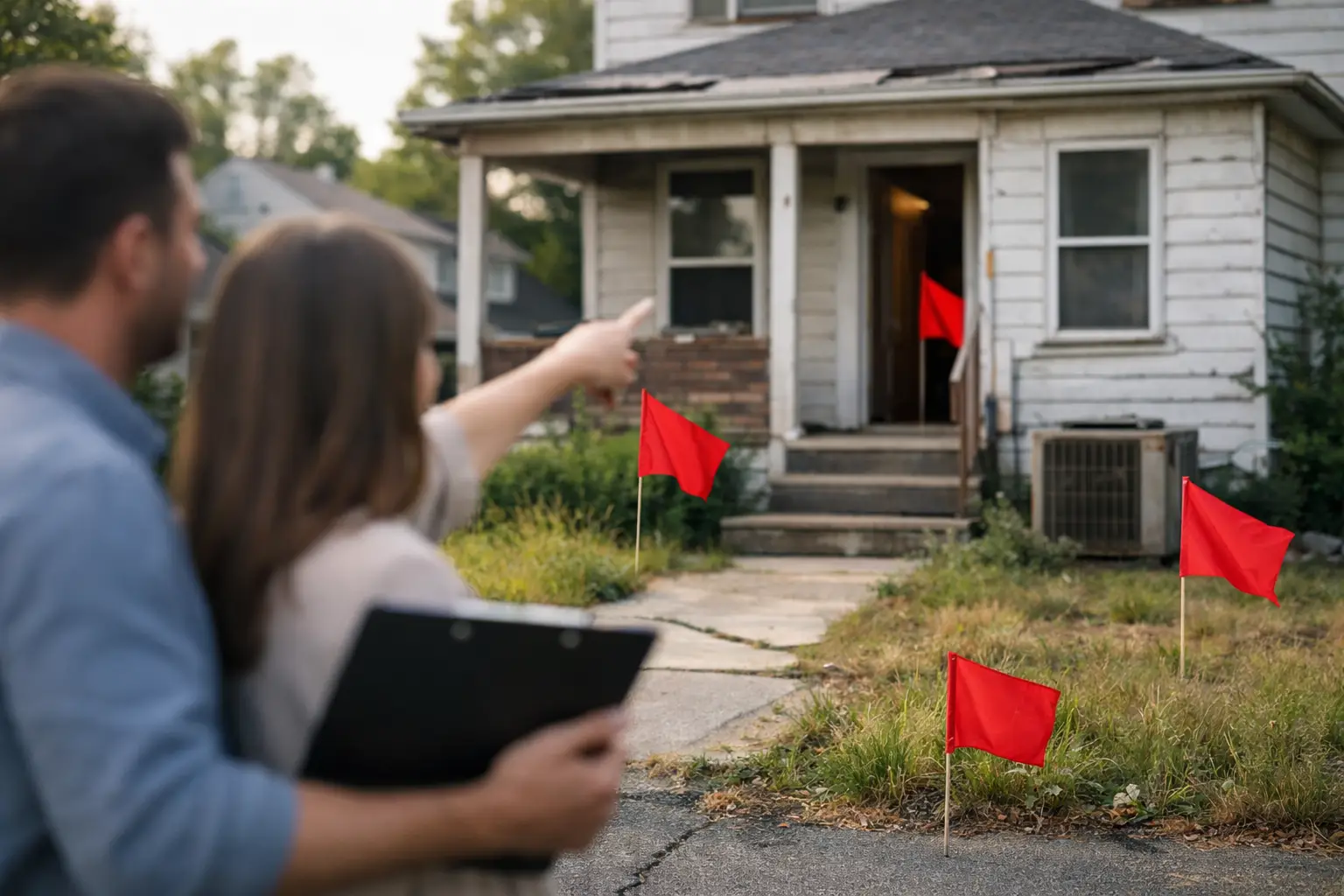
A home can look right the moment you pull into the driveway, and still be the wrong purchase once you look closer. That is why house hunting red flags matter so much. The goal is not to find a perfect home. It is to spot the issues that could cost you money, limit your options, or turn early excitement into long-term regret.
In Southeast Wisconsin, buyers often balance timing, inventory, and budget all at once. When a home feels competitive, it is easy to focus on finishes and overlook warning signs. A smart search means paying attention to both what you see and what the seller, listing, or property history may be telling you quietly.
Why house hunting red flags deserve a closer look
Not every concern is a dealbreaker. Some red flags point to manageable repairs, while others suggest larger structural, financial, or neighborhood problems. The difference matters.
A worn roof on an otherwise solid home may be a negotiation point. Foundation movement, recurring water intrusion, or pricing that does not match the market can be much harder to solve. Good buying decisions come from context, not panic. The key is knowing which issues deserve a second look before you move forward.
The first red flags often show up before the showing
A surprising number of problems appear in the listing itself. If photos avoid entire rooms, show only tight angles, or rely heavily on cosmetic close-ups, that usually means something is being downplayed. The same goes for vague descriptions that lean on words like charming, cozy, or full of potential without giving clear details about updates, age, or condition.
Price can also be an early signal. If a property is priced well below similar homes nearby, there may be a reason beyond a motivated seller. It could need major work, have layout challenges, or carry a history that affects value. On the other hand, a home priced aggressively high may sit, which can create opportunity, but it can also suggest a seller with unrealistic expectations that complicate negotiations.
The days-on-market number matters too, but only when read carefully. Some homes sit because they are overpriced. Others return to market after a failed inspection, financing issue, or buyer cold feet. A relisted property is not automatically a bad property, but it does call for better questions.
House hunting red flags inside the home
Once you walk in, the most important job is to look past furniture, paint, and staging. Cosmetic polish can make a home feel more updated than it really is.
Fresh paint in one isolated area can be harmless, but when a seller repaints only a ceiling patch or a basement wall, it is worth asking why. Sometimes that is simple maintenance. Sometimes it is an attempt to cover past leaks or staining. Strong air fresheners, open windows on a cold day, or dehumidifiers running in multiple rooms can also be clues that the home has odor or moisture concerns.
Floors can tell you a lot. Sloping, bouncing, or uneven flooring may point to foundation issues, settling, or older structural changes. Cracks in drywall are common in many homes, especially older ones, but large diagonal cracks around doors and windows deserve more attention than a hairline seam at a corner.
Doors and windows should open and close with reasonable ease. If several stick or appear misaligned, that can signal movement in the home. One stubborn window is a maintenance item. A pattern throughout the house is different.
Kitchens and bathrooms deserve extra scrutiny because they are expensive spaces to repair. Look under sinks for staining, warped cabinet bottoms, or signs of ongoing leaks. Check around tubs and showers for loose tile, soft flooring, or heavy caulking layered over older damage. A quick refresh is not the same as a quality renovation.
Water is one of the biggest warning signs
If there is one issue buyers should take seriously from the start, it is water. Basement dampness, musty smells, efflorescence on foundation walls, sump pump overuse, or visible staining around windows can all point to drainage or intrusion problems.
In Wisconsin, seasonal weather makes this especially important. Snowmelt, spring rain, and freeze-thaw cycles can expose weaknesses in grading, gutters, foundations, and older masonry. Some moisture issues can be improved with drainage corrections. Others become recurring problems that affect storage, finishing potential, and peace of mind.
Outside, pay attention to whether the ground slopes toward the house, whether downspouts discharge too close to the foundation, and whether retaining walls appear to lean or shift. Water problems rarely stay isolated for long.
Red flags in major systems and deferred maintenance
A home does not need brand-new systems to be a good buy, but old systems should be priced and planned for realistically. If the furnace, air conditioner, water heater, roof, or electrical panel are near the end of their typical life, that should factor into both your offer and your future budget.
The bigger concern is deferred maintenance across the board. Peeling trim, damaged gutters, cracked driveway sections, missing handrails, dirty mechanicals, and neglected exterior care often show a pattern. If the visible items were not kept up, buyers should be cautious about what has not been maintained behind the walls.
That does not mean every older home is a risk. Many older homes in Washington, Waukesha, and Ozaukee Counties are exceptionally well built. But age and condition are not the same thing. A well-cared-for older property can be a stronger investment than a newer home with rushed workmanship or years of neglect.
Neighborhood red flags buyers sometimes miss
A home purchase is never just about the house. You are also buying into the block, the traffic pattern, the noise level, and the day-to-day feel of the area.
Visit at more than one time of day if you can. A street that feels quiet at 2 p.m. may be very different during school pickup, commuter hours, or late evening. Pay attention to traffic speed, nearby commercial activity, parking pressure, and how neighboring homes are maintained.
Some concerns come down to lifestyle fit rather than universal risk. A home near a busy road may bother one buyer and not another. A property backing to a park can be a plus for some and a privacy issue for others. What matters is being honest about how the location will feel once the excitement of the showing wears off.
Seller and transaction red flags
Sometimes the biggest warning sign is not the home itself, but how the sale is being handled. Limited disclosures, inconsistent answers, pressure to waive protections too quickly, or obvious gaps in property history should slow the process down.
If a seller cannot clearly explain recent repairs, remodels, or known issues, that does not automatically mean they are hiding something. Estates, relocations, and long-held rentals often come with less detail. Still, when information is thin, your due diligence needs to be stronger.
Be careful with flips that look attractive on the surface but show uneven workmanship up close. New counters and fixtures are easy to spot. The quality of electrical, plumbing, window installation, grading, or ventilation is not. A beautifully staged home can still have rushed work underneath.
Inspection contingency strategy also matters. In a competitive market, buyers sometimes feel pressure to shorten timelines or reduce contingencies. That can make an offer more appealing, but it also increases risk. A competitive offer should still leave room for smart decision-making.
When a red flag is manageable and when it is not
This is where experience matters. A red flag should lead to a question, not an automatic no.
Some issues are manageable if the price, location, and overall condition make sense. A roof nearing replacement, dated finishes, or an older mechanical system may be acceptable if you are prepared for the cost and the home is otherwise strong. Structural instability, chronic water problems, or serious seller non-disclosure are different. Those issues can affect financing, insurance, resale, and stress from day one.
The right response depends on the full picture. Sometimes you negotiate repairs or credits. Sometimes you bring in a specialist. Sometimes the smartest move is simply to keep looking.
How to protect yourself while house hunting
The best buyers stay calm, ask direct questions, and avoid making decisions based only on emotion. Tour with a critical eye. Compare the home to others in the same price range. Read disclosures carefully. Use inspections for information, not just a formality.
Most of all, work with someone who understands the local market and can help separate normal homeownership realities from true house hunting red flags. In a market that moves quickly, clarity is a real advantage.
A good home should feel exciting, but it should also hold up under scrutiny. If something feels off, it is worth slowing down long enough to find out why.
Recent Posts










GET MORE INFORMATION